Newsletter Subscribe
Enter your email address below and subscribe to our newsletter
Enter your email address below and subscribe to our newsletter

All voices matter
As of January 6, 2026, the global silver market is approaching a structural stress test unlike anything seen in modern commodity history. With less than 60 days remaining before the March COMEX silver contract delivery, open interest has surged to levels that vastly exceed available deliverable inventories.
This is not a routine supply squeeze. It is a confrontation between paper leverage and physical reality, between Western financial engineering and Eastern physical settlement, and potentially between legacy price discovery mechanisms and a new global order.
This article dissects the data, the mechanisms, the players, and—most importantly—the implications for investors, industrial consumers, and policymakers.
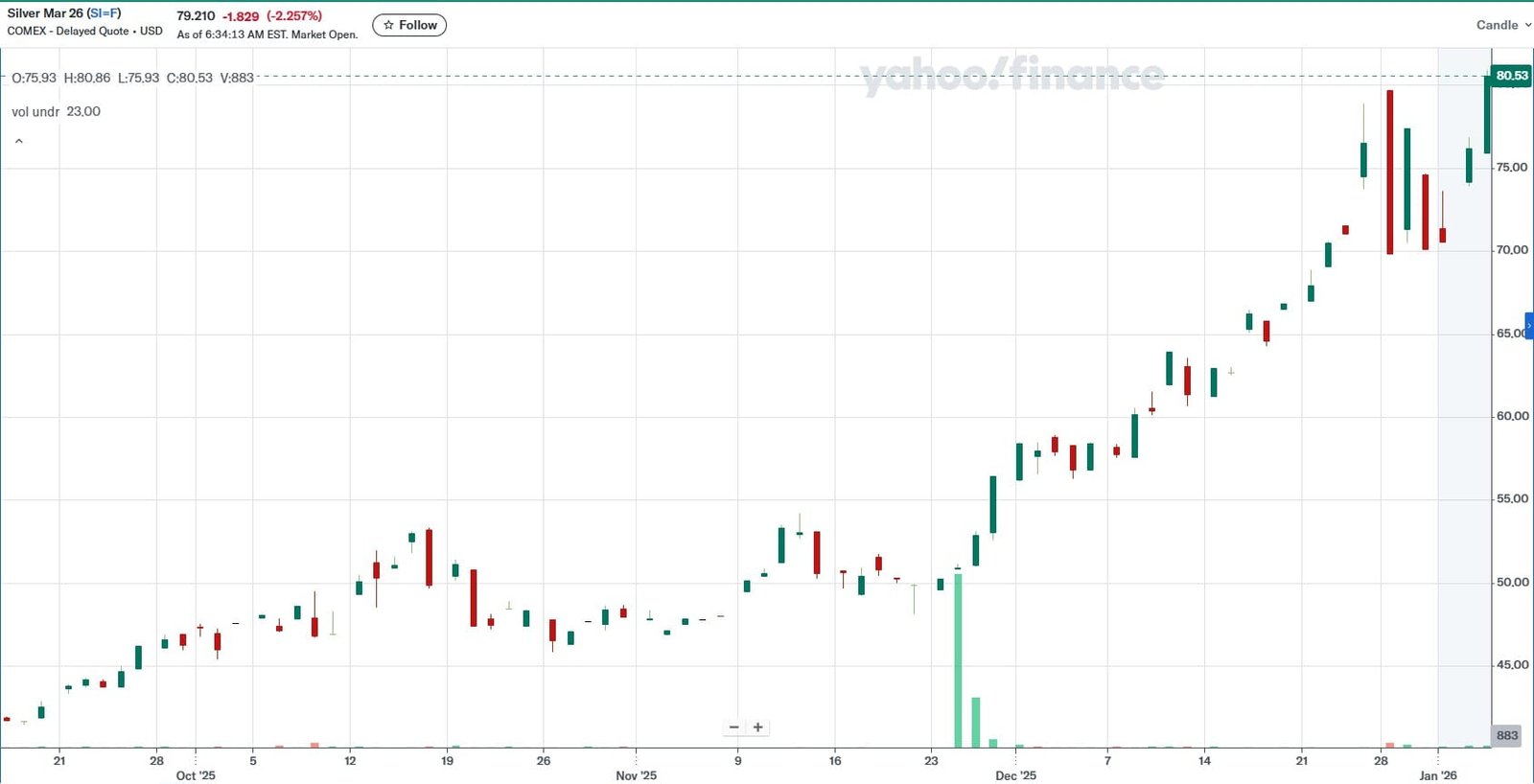
On January 6, 2026, COMEX reported approximately 118,000 open contracts on the March silver futures.
Each COMEX silver contract represents 5,000 troy ounces.
| Metric | Value |
|---|---|
| Open Interest (March 2026) | ~118,000 contracts |
| Ounces per Contract | 5,000 oz |
| Total Ounces Claimed | ~590 million oz |
| Metric Tons Equivalent | ~18,300 tons |
For context:
This alone would be extraordinary. But the real issue lies elsewhere.
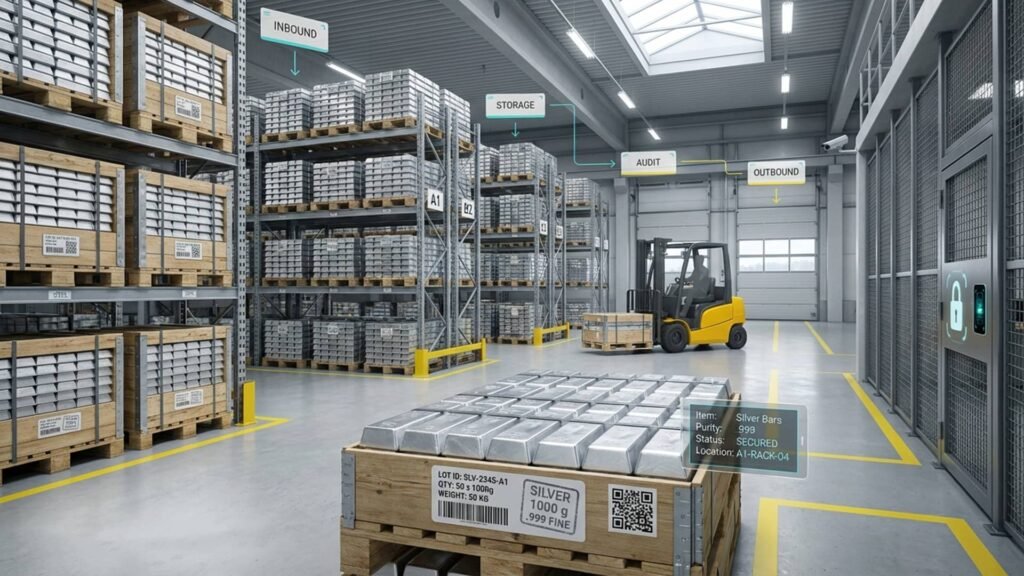
COMEX vault reports distinguish between:
After adjusting for historical delivery behavior, lease encumbrances, and internal transfers, estimated truly deliverable silver appears to be closer to 400–600 tons.
| Comparison | Estimated Quantity |
|---|---|
| Potential Physical Demand | ~18,000+ tons |
| Deliverable COMEX Silver | ~500 tons |
| Coverage Ratio | <3% |
This is not a shortage.
It is a structural mismatch.
The COMEX silver market does not operate on a 1:1 physical backing model.
Instead, it functions similarly to fractional-reserve banking, where:
This works—until it doesn’t.
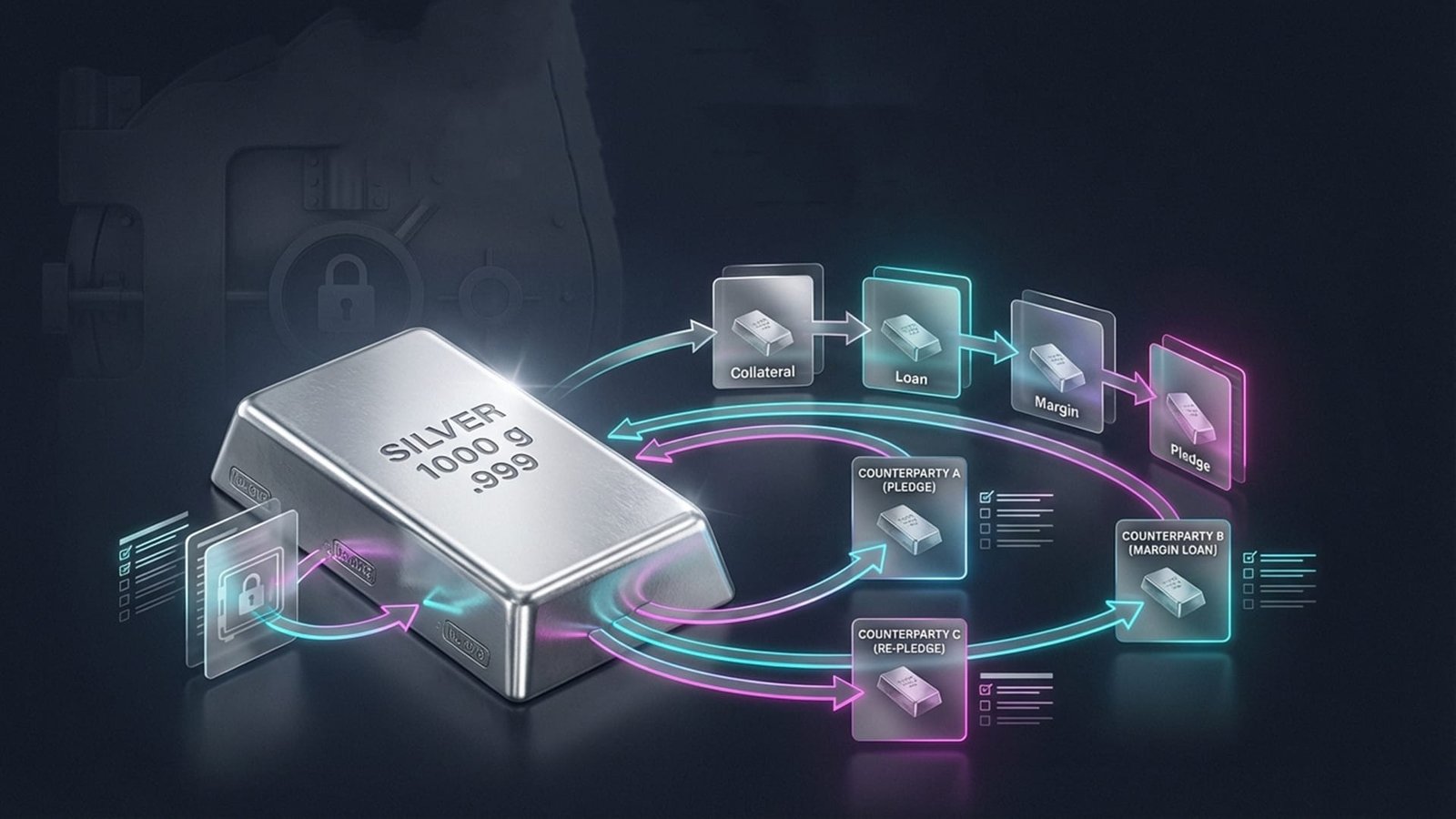
Public COMEX data captures only a fraction of the picture.
Market participants have identified:
Estimates suggest an additional 1,500–2,000 tons of implied physical demand may exist outside visible futures markets.
This demand is invisible—until delivery matters.
A common question:
If silver is so scarce, why don’t the large short holders simply exit?
Because many are executing a dual-track strategy:
In late 2025, multiple data sources indicate thousands of tons of silver were transferred from New York–linked vaulting networks to Asian free-trade zones, particularly Singapore.
Once reclassified:
This is not illegal.
It is strategic.
One of the clearest warning signs is in silver call option positioning.
| Metric | Observation |
|---|---|
| $60+ Call Open Interest | Sharp surge |
| Concentration | Institutional-sized blocks |
| Timing | Coincides with declining registered inventories |
This suggests:
COMEX and CME retain broad discretionary authority under extreme conditions.
Potential measures include:
These powers are rarely used—but they exist.
History shows that when system integrity is threatened, contract sanctity becomes secondary to systemic stability.
If forced cash settlement occurs, the silver market may effectively fracture.
| Feature | Paper Market | Physical Market |
|---|---|---|
| Settlement | Cash | Metal |
| Transparency | High | Transactional |
| Price Volatility | Managed | Market-driven |
| Trust Basis | Contract law | Inventory |
This is not a call for panic.
It is a call for precision.
The silver market is small relative to global finance—but symbolically immense.
If contracts cannot be honored with metal:
This would not be the collapse of markets—but the reordering of trust.

Silver sits at the intersection of:
What unfolds into March 2026 may not be dramatic on a screen—but it will matter profoundly to those who understand what contracts are meant to represent.
In commodities, price is a promise.
And every promise, eventually, is tested.