
Newsletter Subscribe
Enter your email address below and subscribe to our newsletter
Enter your email address below and subscribe to our newsletter

All voices matter
In the traditional classroom, we are taught that money is a medium of exchange—a neutral tool that evolved from bartering seashells to minting gold. But if you look at the tectonic shifts in global geopolitics today—from the freezing of national reserves to the sudden seizure of state assets—that textbook definition feels like a fairy tale.
To understand the modern world, you must unlearn the idea that money is “wealth.” Instead, you must recognize that money is a tradable IOU, and its value is secured not by math, but by the physical ability to enforce debts.
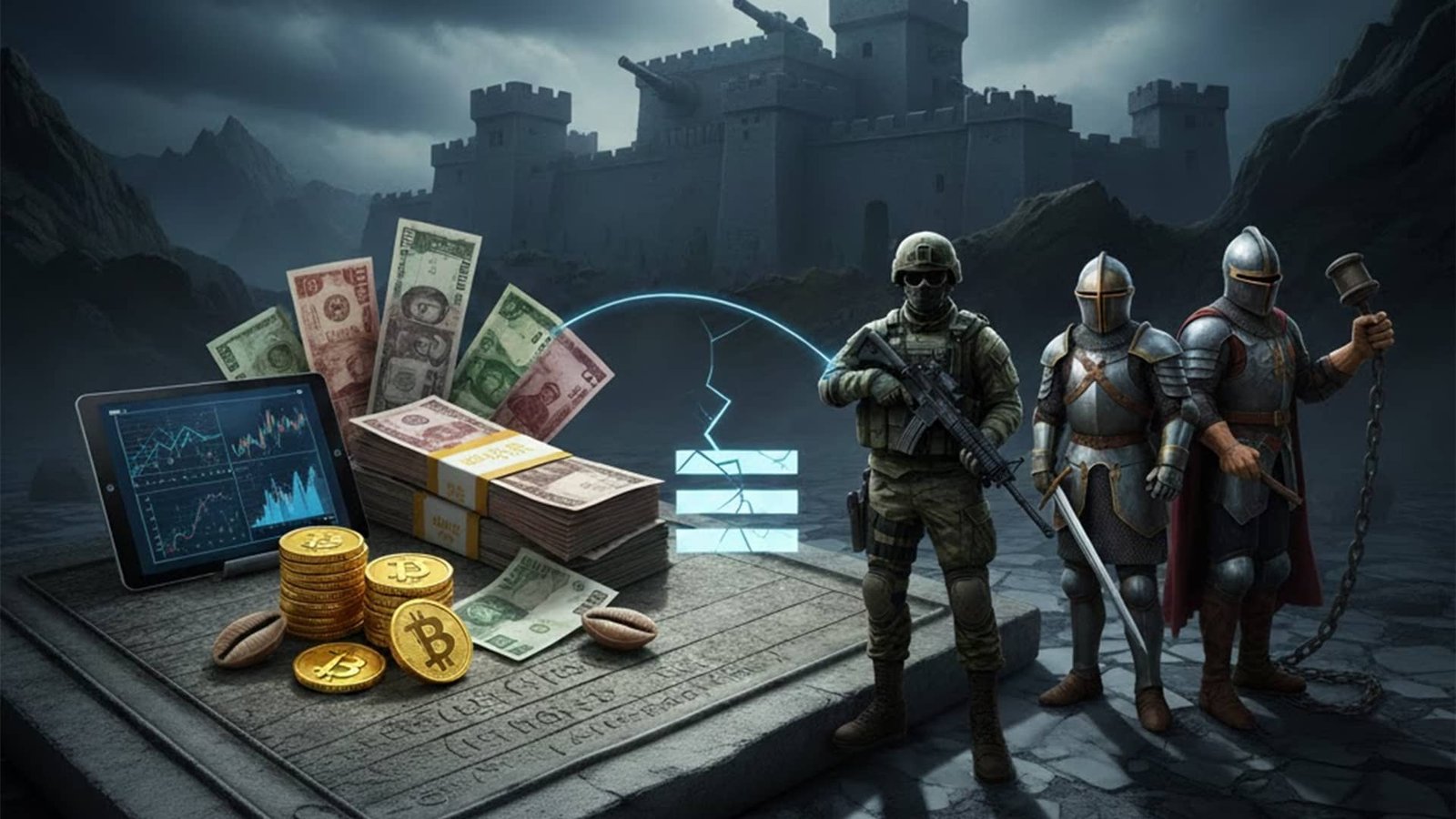
Contrary to Adam Smith’s theory, anthropologists have found little evidence of pure barter societies. Instead, ancient communities operated on credit. If a hunter came home empty-handed and “bought” beef from a neighbor, he didn’t always give a seashell of equal value; he gave a token representing a debt.
In this light, money isn’t a “thing”—it’s a ledger entry. Whether it is a notch on a bone, a tally stick, or a digital entry in a banking app, money represents what society owes you for your past labor.
| Perspective | Traditional View (Textbook) | Credit Theory (Reality) |
| Origin | Barter efficiency | Debt recording |
| Process | Deposit $\rightarrow$ Loan | Loan $\rightarrow$ Deposit |
| Nature | Asset/Store of value | General circulating debt |
| Backing | Scarcity (Gold/Silver) | Enforcement/Taxation |
Most people believe banks act as middlemen, taking money from Saver A to lend to Borrower B. This is incorrect. In a modern credit-based system, loans create deposits.
When a bank approves a $1 million mortgage, it doesn’t move physical cash from a vault. It simply types “$1,000,000” into the borrower’s account. At that moment, new money is created out of thin air.
If every debt in the world were paid back tomorrow, “money” as we know it would virtually vanish. This is why the system requires constant growth; it is a treadmill of debt that can never stop.
The recent geopolitical maneuvers involving the seizure of state assets and the pursuit of foreign leaders demonstrate a brutal truth: Financial rules only apply as long as you can defend your sovereignty.
If you spend a lifetime working and saving, you are essentially holding a stack of IOUs from the state. However, if a dominant military power decides to “unplug” a nation from the global financial system (like SWIFT), those IOUs become worthless overnight.

Economics is often viewed as the “software” of civilization, but military power is the “hardware.”
In a volatile world, the “Defense Industry” isn’t just about war; it is the insurance policy for a nation’s currency. This explains why defense stocks often outperform during “rule-breaking” eras—investors realize that when the global rulebook is torn up, the person with the most “persuasion” wins.
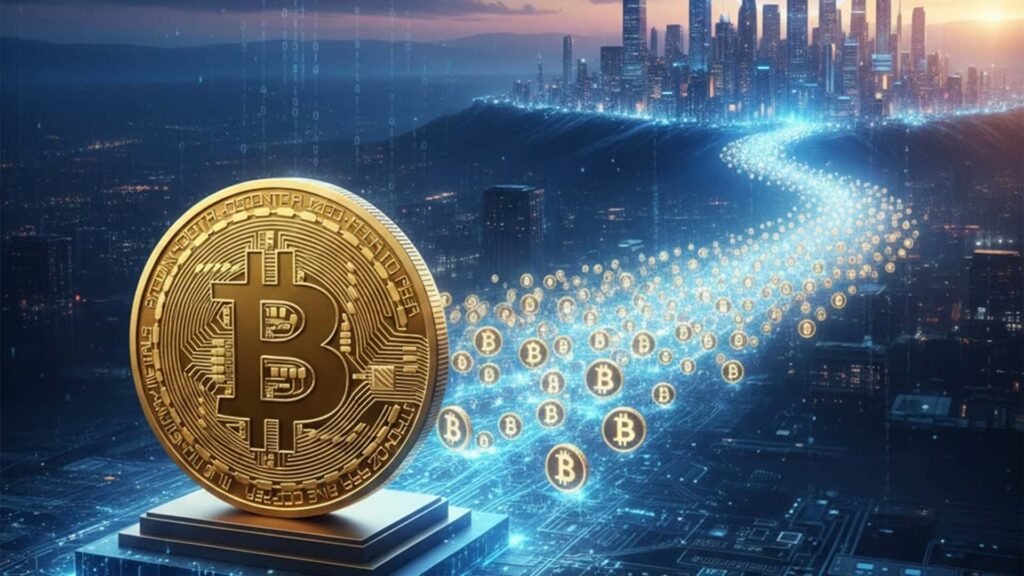
Why did Bitcoin go from $0 to $60,000+? Not because it has intrinsic utility like a hammer, but because it is a perfect ledger.
Humans have realized that centralized “IOUs” (fiat currency) are subject to the whims of governments who can print more or seize them at will. This has led to a bifurcation of assets:
If money is just a record of what the world owes you, the greatest risk is that the “debtor” (the system) goes bankrupt or refuses to pay. To navigate this, a professional portfolio must account for the hierarchy of power:
The “thrifty saver” who keeps 100% of their wealth in a bank is the ultimate optimist—they are betting their entire life’s work on the hope that the global political climate will remain peaceful and the IOUs will always be honored. History suggests otherwise.



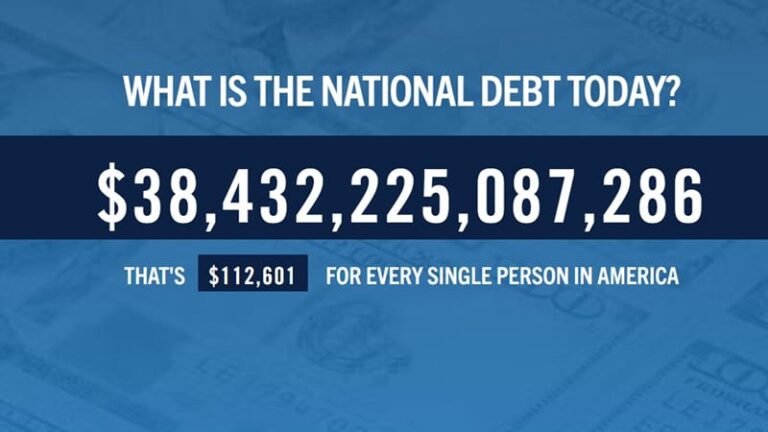
[…] The Illusion of Wealth: Your Bank Balance is a “Debtable” and Military Rules Global Finance […]
[…] The Illusion of Wealth […]