Newsletter Subscribe
Enter your email address below and subscribe to our newsletter
Enter your email address below and subscribe to our newsletter

All voices matter
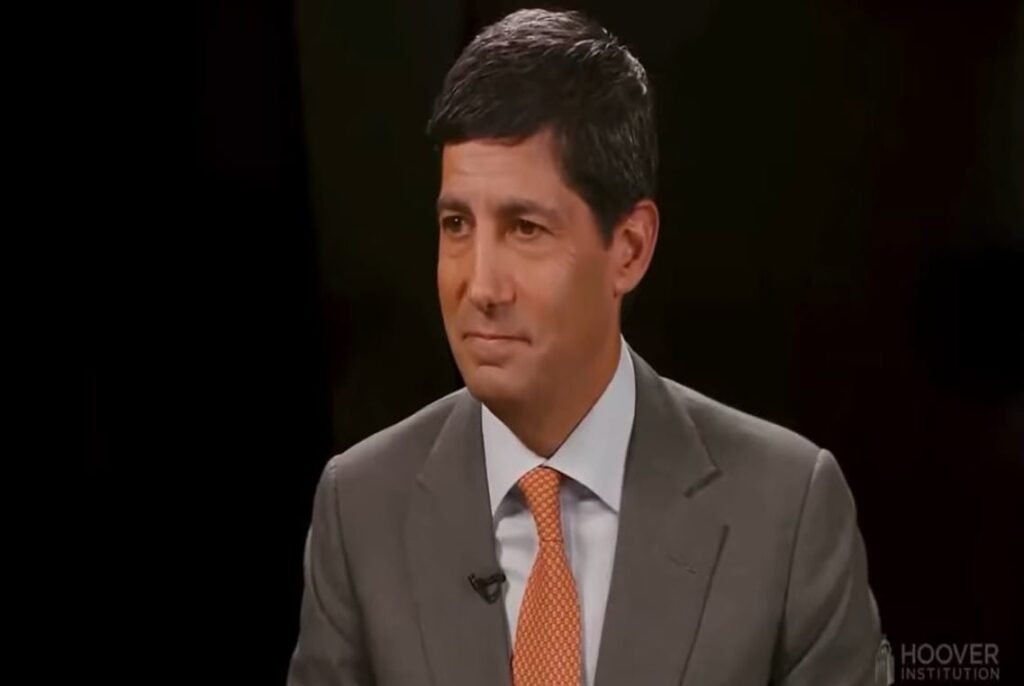
The appointment of Kevin Warsh to succeed Jerome Powell as Fed Chair marks more than a change in leadership; it signals the end of the Federal Reserve’s era of independence. As we move toward 2026, the mandate from the White House is singular: Drive interest rates to the floor.
To the casual observer, low interest rates sound like a populist win—cheaper mortgages and stimulated growth. To the institutional economist, however, this is a “scorched earth” policy for purchasing power. We are entering an era of legislated robbery, where the “Inflation Tax” will do more to redistribute wealth than any progressive income tax ever could.
The fundamental reason low-interest rates widen the wealth gap is a phenomenon known as the Cantillon Effect. Money is not injected into the economy evenly; it has an entry point and a flow path.
By the time your salary increases by 5%, the cost of the bread and fuel you buy has already risen by 10%. You are effectively receiving “diluted” currency.
To understand the gravity of the 2026 landscape, we must look at the divergence between labor and capital over the last five years—a trend the Warsh-led Fed is expected to accelerate.
While cumulative inflation has eroded roughly 25% of purchasing power since 2020, wage growth has consistently lagged by 3–5%. Meanwhile, the S&P 500 and Nasdaq have outperformed labor by nearly 400%.
The takeaway is brutal: In a zero-interest-rate environment, saving is no longer a virtue—it is a wealth-extinguishment event. If you hold cash, you are the fuel for the engine; if you hold assets, you are the driver.
If the government is intent on devaluing the dollar, your only rational move is to short the dollar by owning what it buys. Here is how the “Smart Money” is positioning for the 2026 reset.
In a high-inflation, low-rate environment, debt becomes an asset. If you lock in a fixed-rate mortgage at 3% while real-world inflation is 6%, the bank is effectively paying you 3% a year to live in your home. You are paying back the loan with “cheaper” dollars in the future.
The 2026 market will pivot from AI hype to AI Infrastructure. * Energy & Power: AI models require massive electricity. Companies controlling the power grid and cooling technologies are the ultimate “toll booths” of the new economy.
Bitcoin has transitioned from a speculative toy to a Sovereign Reserve Asset. With the potential for a U.S. Strategic Bitcoin Reserve under the new administration, BTC acts as a “liquidity sponge.” It is the only asset with a supply curve that the Fed cannot manipulate.
A key pillar of the 2026 policy is a Weak Dollar Strategy to shrink the trade deficit. As the USD loses its luster, capital will flee to “Value Vacuums”—regions that have captured the supply chains migrating away from China.
In 2026, the most dangerous risk you can take is the “Risk of Certainty”—staying in cash because it feels safe. The Fed’s upcoming pivot is a signal that the “K-shaped” recovery is about to turn into a “K-shaped” canyon.
Your Action Plan:
The printing press is warming up. You can either stand in front of the flood or build a boat.