In the world of finance, few concepts are as fundamental yet misunderstood as the “Bull” and “Bear” markets. These terms do more than just describe the direction of a ticker symbol; they define the psychological climate, the flow of global capital, and the ultimate success of your wealth-building strategy.
As we navigate the complexities of 2025’s economic landscape—marked by shifting interest rate cycles and the rise of generative AI—understanding these market phases is no longer optional. It is the difference between strategic growth and reactionary loss.
Bull Market vs Bear Market
What Is a Bull Market? (The Charging Force)
A Bull Market is characterized by a sustained period of rising asset prices, typically defined as a 20% increase from recent lows. In this environment, the “bull” thrusts its horns upward, symbolizing a surge in investor confidence and economic expansion.
Key Indicators of a Bull Cycle:
Strong GDP Growth: The broader economy is expanding, corporate profits are climbing, and consumer spending is robust.
Low Unemployment: A healthy job market fuels disposable income, which often finds its way into equities.
Investor Optimism (Greed): The “Fear of Missing Out” (FOMO) often drives prices beyond fundamental valuations as investors bid up shares.
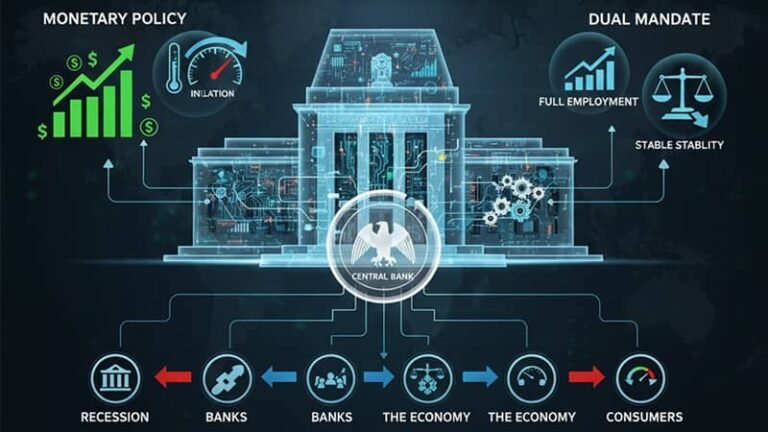
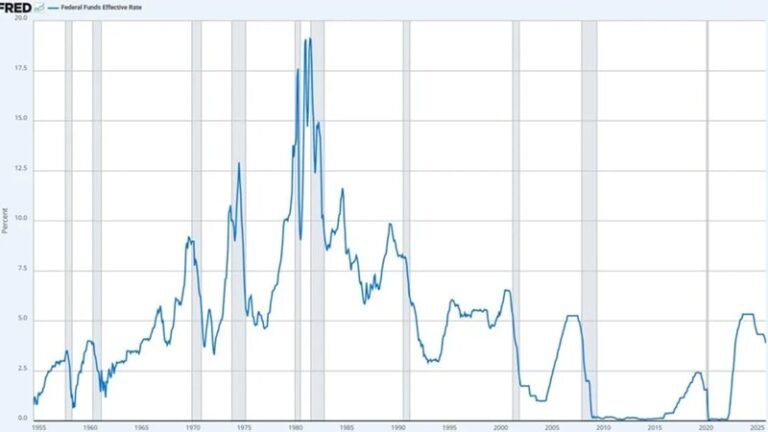
Accommodative Policy: Central banks often support bull runs through lower interest rates, making borrowing cheaper for businesses.
What Is a Bear Market? (The Hibernating Force)
Conversely, a Bear Market occurs when prices fall by 20% or more from recent highs for a sustained period (usually at least two months). The “bear” swipes its claws downward, representing a market that is retreating or “hibernating” as investors flee to safety.
Key Indicators of a Bear Cycle:
Economic Contraction: Signs of an impending or current recession, often accompanied by falling corporate earnings.
Rising Interest Rates: To combat inflation, central banks may raise rates, which increases borrowing costs and can dampen stock valuations.
Market Pessimism (Fear): Panic selling becomes common as investors prioritize capital preservation over growth.
High Volatility: The VIX (Volatility Index) typically spikes during bear markets as uncertainty takes hold.
Bull vs. Bear: A Comparative Breakdown
To help you distinguish between these two cycles at a glance, refer to the table below:
Feature
Bull Market
Bear Market
Price Action
Sustained Uptrend (20%+)
Sustained Downtrend (20%-)
Investor Sentiment
Optimism / Euphoria
Fear / Pessimism
Economic Context
Expansion / Growth
Contraction / Recession
Monetary Policy
Usually Lower Interest Rates
Often Rising Interest Rates
Trading Volume
High on Rallies
High on Sell-offs
Average Duration
~2 to 5 Years
~9 to 18 Months
Typical Example
The Four Phases of the Market Cycle
Professional traders don’t just look at “up” or “down.” They analyze the Market Cycle, which transitions through four distinct stages:
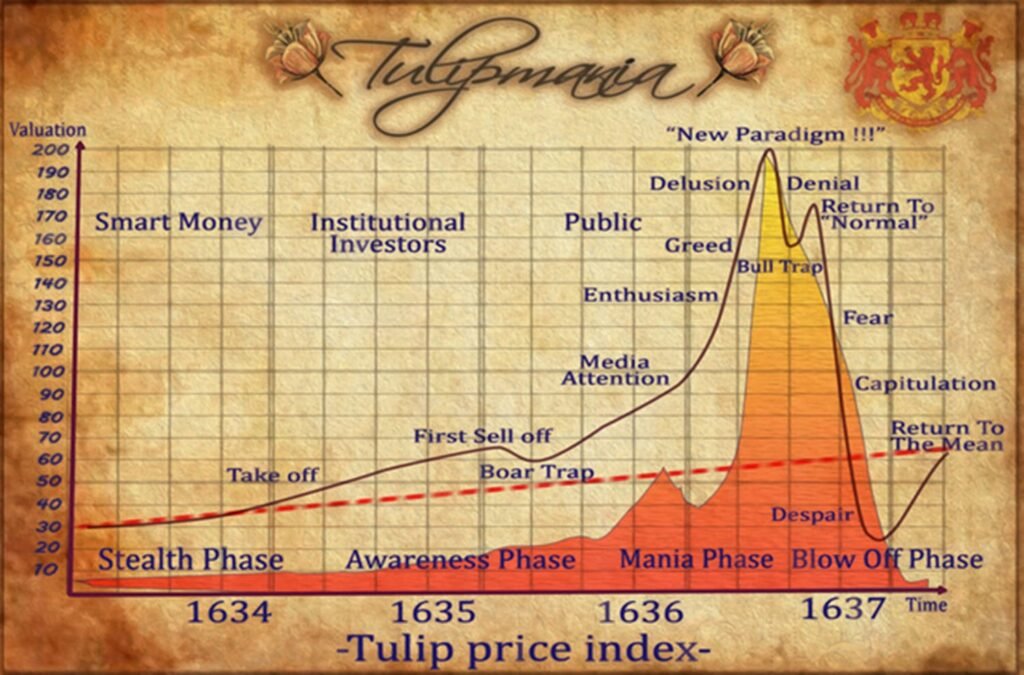
Accumulation: The tail end of a bear market. “Smart money” begins buying undervalued assets while the general public is still fearful.
Mark-Up (Bull): Prices begin to climb steadily. Media coverage turns positive, and retail investors join the fray.
Distribution: The peak of the bull market. Volume is high, but price gains stall as institutional investors begin selling to latecomers.
Mark-Down (Bear): The bubble pops. Prices fall rapidly, leading to a period of “capitulation” where investors sell at any price to exit.
Strategic Playbook: How to Invest in Both
In a Bull Market: “Ride the Trend”
Growth Stocks: Focus on sectors like Technology or Consumer Discretionary that benefit from expansion.
Stay Invested: Avoid the urge to take profits too early, but use trailing stop-losses to protect gains.
Rebalance: Ensure your portfolio doesn’t become over-weighted in one winning sector.
In a Bear Market: “Defense Wins Games”
Defensive Sectors: Look toward Utilities, Healthcare, and Consumer Staples—companies people need regardless of the economy.
Dollar-Cost Averaging (DCA): Use the downturn to buy high-quality assets at a discount. Bear markets are where “generational wealth” is often built.
Increase Cash Reserves: Having “dry powder” allows you to capitalize on the eventual market bottom.
The Bottom Line
Whether we are in a charging bull or a retreating bear, the most successful investors share one trait: Discipline. Bull markets make everyone look like a genius, but bear markets reveal who has a sustainable plan.
History shows that while bear markets are painful, they are significantly shorter than bull markets. In the U.S. stock market, bull runs have historically lasted nearly four times longer than bear declines. The goal isn’t to time the exact top or bottom, but to remain positioned so that time works in your favor.