Newsletter Subscribe
Enter your email address below and subscribe to our newsletter
Enter your email address below and subscribe to our newsletter

All voices matter
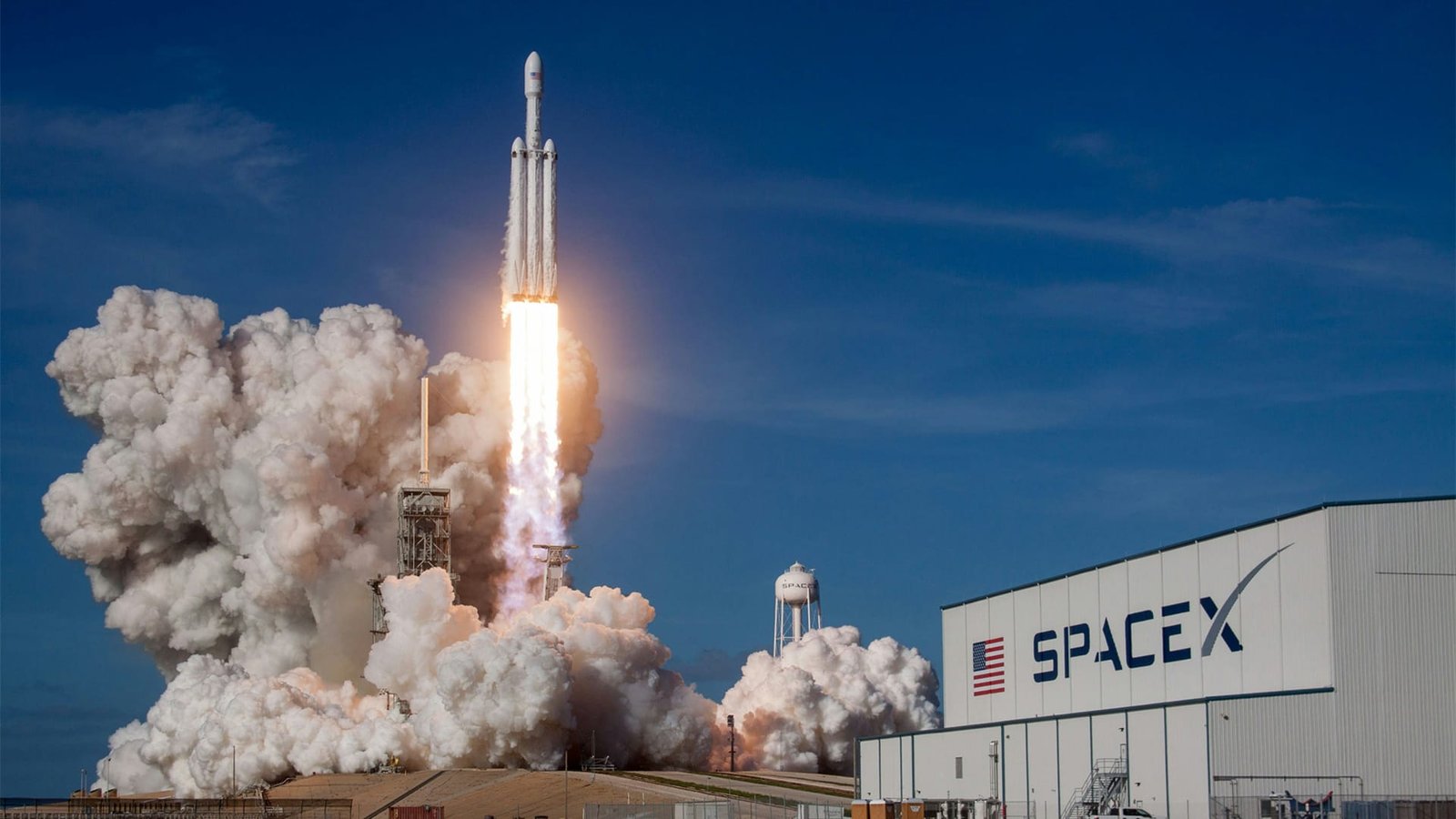
Elon Musk has officially confirmed that SpaceX (via Starlink) is expected to go public next year, with Bloomberg assigning a headline valuation equivalent to approximately 800 Billion Dollars. Predictably, the announcement triggered skepticism across global capital markets. Critics recycled a familiar narrative: “Musk companies are always overvalued.”
This argument misses the point entirely.
What the market is witnessing is not hype—it is the final convergence of two ends of the value chain, something exceedingly rare in modern industrial capitalism. SpaceX is not merely launching satellites. It is building a self-reinforcing global cash-flow infrastructure, backed by a cost structure that competitors cannot mathematically replicate.
This article explains why.
As of the most recent disclosures, Starlink serves approximately 4.6 million active users globally, with monthly subscription fees ranging from USD 40 to USD 120 depending on geography and service tier.
From that relatively modest user base, Starlink already generates:
This is the critical inflection point:
Starlink has crossed cash-flow breakeven.
Daily net user additions now exceed 15,000, pushing the active subscriber base toward 8 million users. Once connected, customer behavior mirrors electricity or water consumption—automatic, recurring, low-churn payments.
This is not consumer tech.
This is infrastructure monetization.
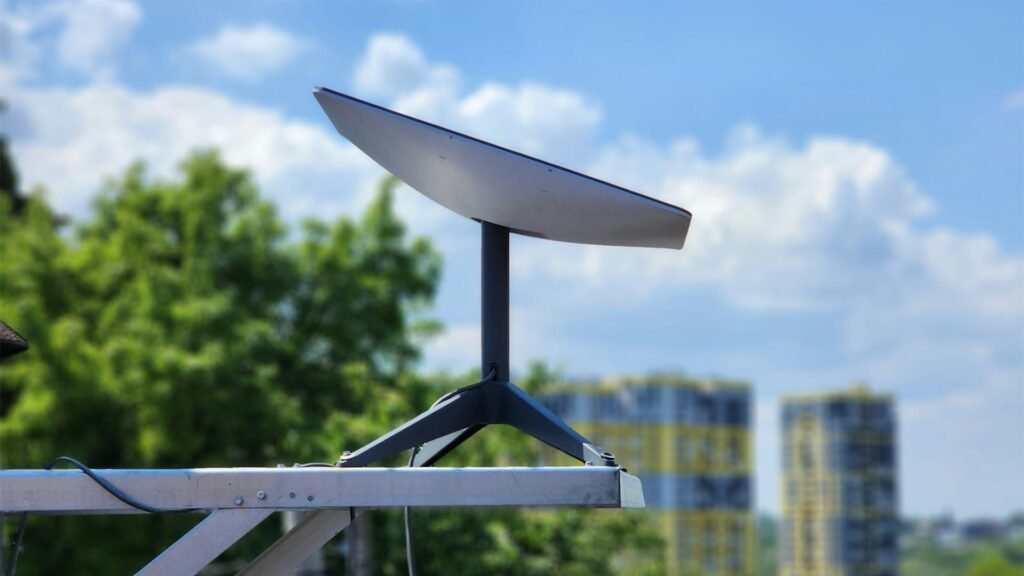
After the satellite constellation reaches operational density, the marginal cost of serving an additional user approaches zero.
Each new subscriber contributes near-pure incremental profit.
This economic structure is shared only by a handful of elite platforms:
But Starlink goes further: it embeds itself at the physical connectivity layer of civilization, not the application layer.
Once internet access becomes foundational to daily life, global subscription revenue becomes what investors quietly call “infrastructure taxation”—predictable, defensible, and inflation-resistant.
According to International Telecommunication Union (ITU) data, approximately 2.6 billion people globally remain unconnected to the internet, representing over 31% of humanity.
Even conservative penetration scenarios imply:
This alone creates asymmetric upside that traditional telecom models cannot match.
Revenue explains only half the story.
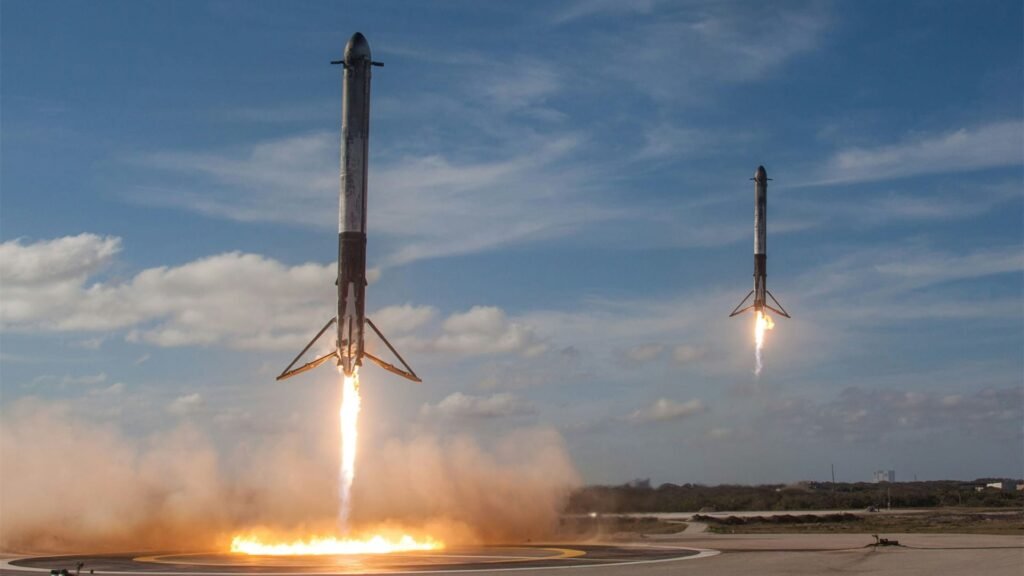
The left side of the “smile curve”—where the most brutal cost advantages are created—is where SpaceX becomes genuinely dangerous.
By contrast, global competitors still face:
This is not competition.
This is structural exclusion.
Look at sectors like:
These industries are stuck in the center of the smile curve:
The result is predictable:
Higher volume, lower margins, worsening returns on capital.
SpaceX avoided this trap by doing something rare:
Few companies in history have executed both.
High valuation is often dismissed as speculation. In reality, valuation is simply the present value of future certainty.
SpaceX exhibits:
This is not a growth story.
It is a cash-flow story disguised as innovation.
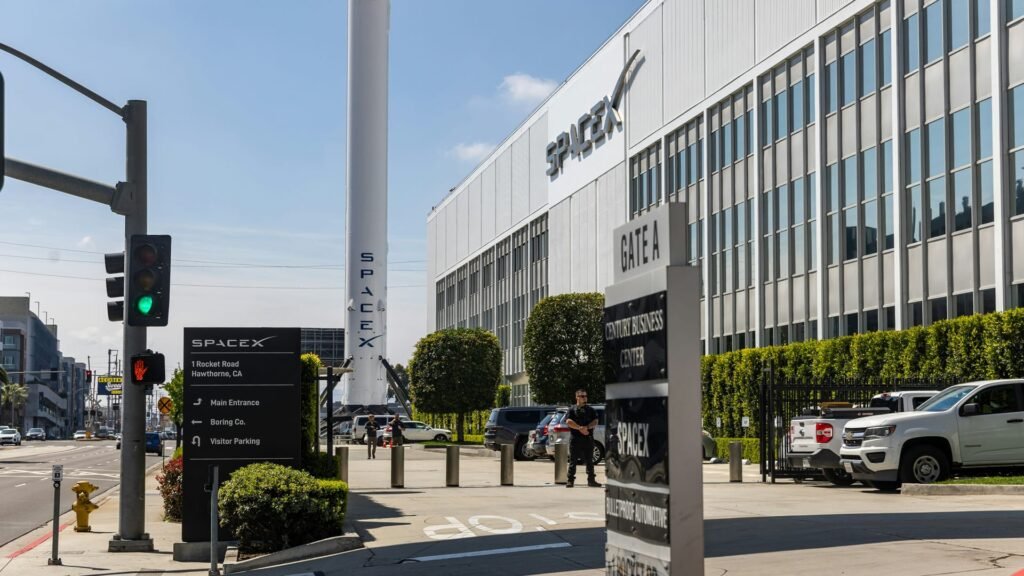
SpaceX does not rely on selling more rockets to grow profits.
It relies on locking humanity into a global connectivity utility, powered by launch economics competitors cannot touch.
That is why the market is willing to pay what appears, on the surface, to be an aggressive price.
The valuation is not a bet on Elon Musk’s charisma.
It is a recognition that once a company controls both the cost floor and the revenue ceiling, capital has no rational alternative but to follow.
In that sense, SpaceX is not expensive.
It is simply early.