Newsletter Subscribe
Enter your email address below and subscribe to our newsletter
Enter your email address below and subscribe to our newsletter

All voices matter
If you’re diving into day trading stocks, figuring out the best time to jump in can feel overwhelming with all the noise out there. But based on years of hands-on experience and patterns I’ve seen repeat across countless sessions, certain windows consistently deliver the edge you need. In this guide, we’ll break down the optimal hours, why they matter, and how to make them work for you. Whether you’re a seasoned trader or just getting your feet wet, these insights are geared to help you spot opportunities and avoid the pitfalls that trip up so many.
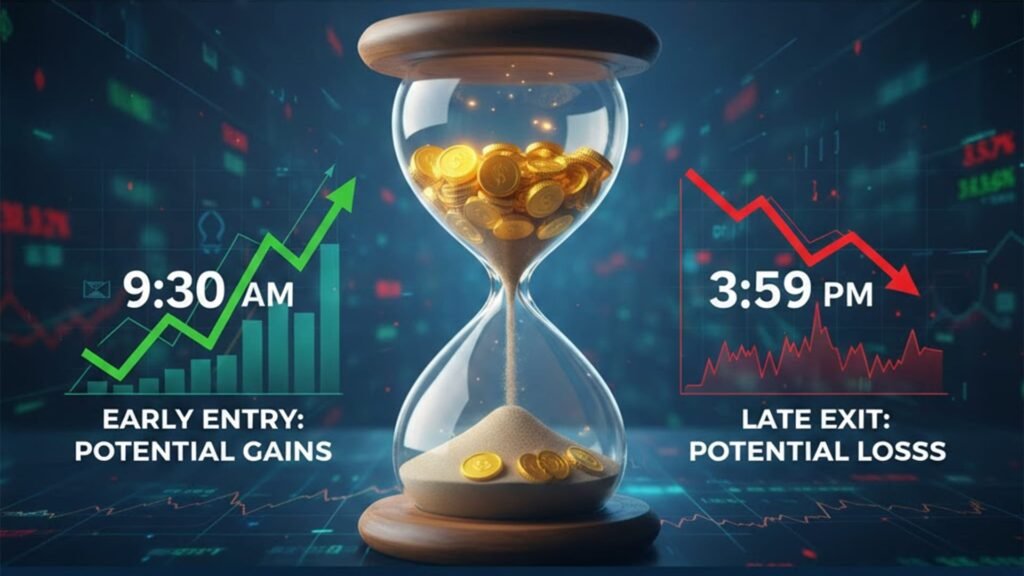
Day trading isn’t about holding positions overnight; it’s about capitalizing on short-term price swings within a single session. The stock market operates from 9:30 a.m. to 4:00 p.m. Eastern Time, but not all hours are created equal. Volatility—the fuel for day trades—ebbs and flows based on trader activity, news releases, and institutional moves. Get this wrong, and you might find yourself staring at flat charts or getting whipsawed by low-volume traps. The goal here is to align your trades with periods of high liquidity and momentum, where real moves happen without the drag of thin markets.
From my own trading desk, I’ve found that focusing on peak times has boosted my win rate significantly. It’s not magic; it’s about understanding how global events, economic data, and human behavior converge to create actionable setups.
Hands down, the morning hours right after the open are where the action is hottest. Specifically, from 9:30 a.m. to 11:00 a.m. ET, you’ll often see the sharpest price movements and heaviest volume. This window processes overnight news, earnings reports, and economic indicators that have built up since the previous close. Traders pile in, creating volatility that’s perfect for quick entries and exits.
The last hour of the day, from 3:00 p.m. to 4:00 p.m. ET, is another sweet spot. As the session winds down, institutional players adjust portfolios, and day traders square off positions, sparking reversals or late rallies. It’s riskier due to potential news bombs, but the volume surge can lead to profitable squeezes if you’re positioned right.
Avoid the midday lull—roughly 11:30 a.m. to 2:30 p.m. ET—unless you’re scalping tiny moves. Liquidity dries up as pros take lunch, leaving algorithms to dominate with slower, choppier action. It’s like trying to surf a pond; the waves just aren’t there.
To make this clearer, here’s a quick comparison of the key trading periods:
| Time Window (ET) | Volatility Level | Volume Characteristics | Best For | Potential Drawbacks |
|---|---|---|---|---|
| 9:30 – 11:00 a.m. | High | Peak, news-driven surges | Momentum trades, breakouts | Overextensions leading to quick reversals |
| 11:30 a.m. – 2:30 p.m. | Low | Thin, algorithm-heavy | Scalping or waiting for setups | Boring, low reward potential |
| 3:00 – 4:00 p.m. | Medium-High | Increasing with closings | Reversals, end-of-day rallies | Late news can spike risk |
This table draws from patterns I’ve tracked across major indices like the S&P 500 and Nasdaq, where mornings consistently account for the bulk of daily range.
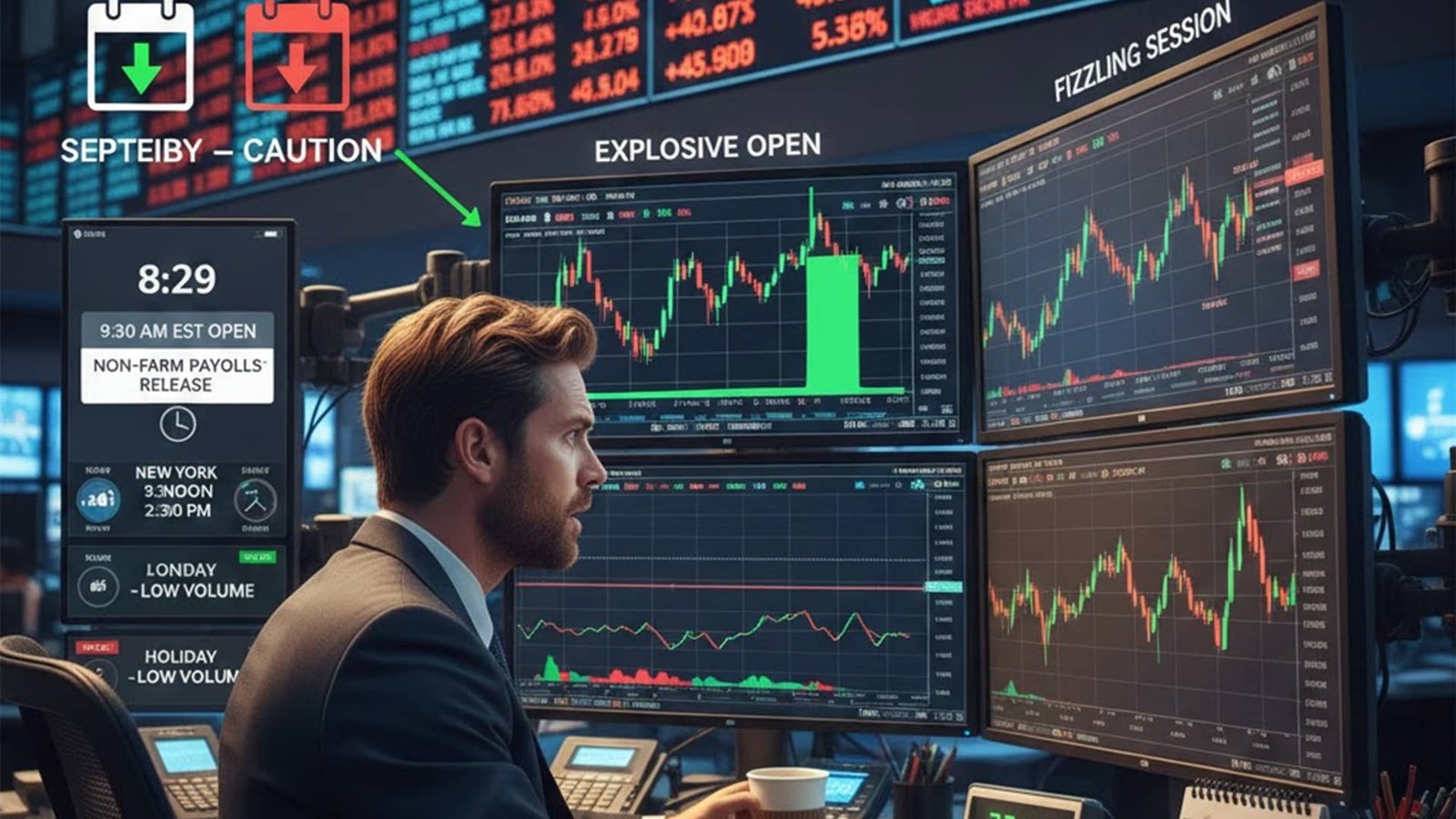
No two days are identical, so what makes one session’s open explosive while another’s fizzles? News flow is king—pre-market headlines from earnings or geopolitical events can amplify morning volatility. Economic releases, like jobs reports or Fed announcements, often hit around 8:30 a.m. or 10:00 a.m., adding fuel.
Market overlaps play a role too. The New York open coincides with the tail end of London’s session, blending transatlantic liquidity for bigger moves. On the flip side, holidays or low-news days can mute even the best windows, turning them into snoozefests.
Costs matter more than you think. Bid-ask spreads widen in low-volume periods, eating into profits on small trades. And with exchanges eyeing extended hours (potentially up to 22 hours a day by next year), off-peak trading might gain traction, but for now, stick to core sessions unless you’re chasing specific catalysts.
In my experience, seasonal trends sneak in: Mondays carry weekend pent-up energy, making them prime for buys, while mid-week dips can signal caution. September often sees broader weakness, but for day traders, it’s the intraday rhythm that counts most.
To turn these times into profits, you need a plan. In the morning rush, I focus on gap-and-go plays: Scan for stocks gapping up on news, wait for a pullback, and enter on volume confirmation. Tools like pre-market scanners help spot these early—think high-volume names like AAPL or NVDA.
For the close, watch for fading momentum. If a stock’s been grinding higher all day, a short squeeze might erupt as shorts cover. Use tight stops here; the risk of a last-minute dump is real.
Across both, prioritize liquidity: Aim for stocks with at least a million shares traded daily and an average true range (ATR) over $0.50. Fundamentals matter too—check for strong catalysts via platforms like StockRover. And always simulate first; I’ve blown accounts rushing in without backtesting.
One pro tip: Limit your screen time. Trading all day leads to fatigue and bad decisions. I cap my sessions at two hours, banking profits early and walking away.
Even pros slip up. Chasing midday mirages is a classic—low volume amplifies fakeouts, turning small losses into big ones. Another is ignoring the calendar: Trading through major news without a hedge is gambling, not strategy.
Overleveraging in volatile opens can wipe you out fast. Start small, scale as you confirm the move. And don’t forget psychology: FOMO drives bad entries during power hours. Stick to your rules, or you’ll pay.
Mastering the best time to day trade stocks boils down to aligning with high-volatility windows like the open and close, while dodging the drags of midday. By focusing on mornings for momentum and afternoons for closures, and factoring in news and liquidity, you’ll position yourself for consistent gains. Remember, it’s not about trading more—it’s about trading smarter. Test these in a demo account, track your results, and adjust based on what clicks for your style. With discipline, these hours can transform your trading from hit-or-miss to reliably profitable. Stay sharp out there.