Newsletter Subscribe
Enter your email address below and subscribe to our newsletter
Enter your email address below and subscribe to our newsletter

All voices matter
Ever watched a stock ticker race across the screen and thought, “Could I turn that chaos into cash?” Day trading isn’t some get-rich-quick scheme; it’s a disciplined hustle where you buy and sell assets like stocks or forex within the same market session, chasing profits from fleeting price moves. In 2026, with faster platforms and zero-fee brokers, it’s more accessible than ever, but the basics haven’t budged. If you’re curious about how day trading works step by step, this guide pulls from real trader experiences and proven tactics to walk you through it. We’ll cover the mechanics, risks, and whether it’s worth your time—helping you decide if you’re ready to dive in or stick to safer shores.

Day trading boils down to executing trades—buying low, selling high (or vice versa with shorts)—all before the market closes. Unlike swing traders who hold for days or investors eyeing years, day traders zero in on intraday volatility, often driven by news drops, earnings calls, or economic reports. You’re not owning shares for dividends; you’re flipping them for quick gains, sometimes in minutes.
From my early days staring at charts till my eyes blurred, I learned it’s as much mental as mechanical. Regulators tag you a “pattern day trader” if you rack up four or more round-trip trades in five days, triggering rules like the $25,000 minimum equity for margin accounts. Skip that, and you’re capped at three trades a week. It’s designed to weed out undercapitalized rookies, and honestly, it’s a smart barrier—day trading demands capital to weather losses.
Let’s break it down into actionable steps, the way I’d coach a newbie over coffee. This isn’t theory; it’s the grind I’ve lived, refined over countless sessions.
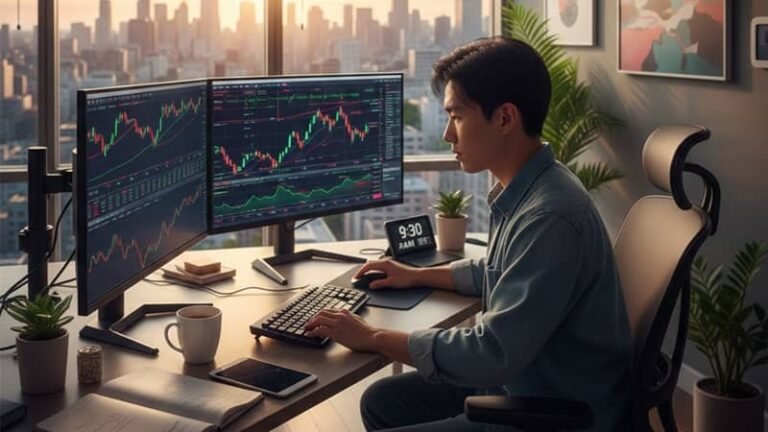
Start by picking a broker and platform that won’t nickel-and-dime you. In 2026, outfits like Interactive Brokers or Thinkorswim shine for their low-latency executions and free commissions. Fund your account (aim for at least $30K to play safe), and set up multiple screens—one for charts, another for news feeds like Bloomberg or CNBC. Install tools for Level 2 quotes to see order depth; it’s like peeking at the market’s poker hand.
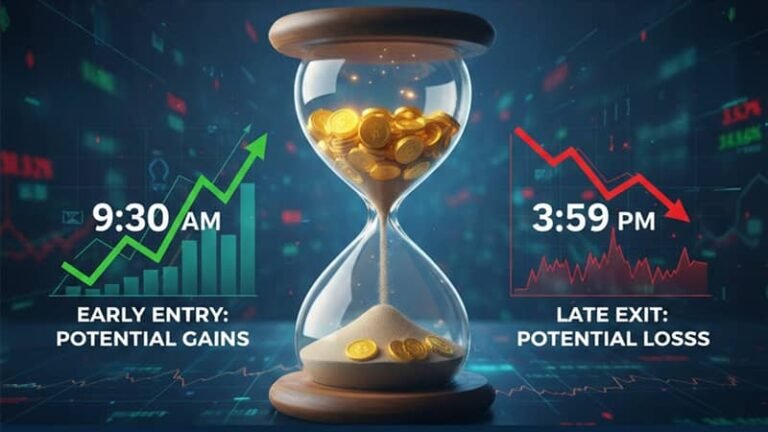
Pre-market (before 9:30 a.m. ET), scan for movers. Use stock screeners to filter high-volume tickers with volatility—think gaps from overnight news. Technical analysis is your compass: Spot patterns like head-and-shoulders or flag breakouts on 5-minute charts. Layer in indicators—moving averages for trends, RSI for overbought signals. I’ve burned hours here; the key is focusing on 5-10 stocks you know cold, not chasing every blip.
Once a setup screams “go,” pull the trigger. Buy if you spot upward momentum, or short sell for downside bets. Use limit orders to control entry prices and avoid slippage. Leverage amps your position—say, 4:1 margin lets $25K control $100K—but treat it like fire. My rule: Risk no more than 1% of your account per trade to live another day.
Trades live? Watch like a hawk. Set stop-losses to auto-exit losers (e.g., 2% below entry) and take-profits for winners. Adjust based on real-time flow— if volume dries up, bail early. This step’s where psychology kicks in; greed whispers “hold for more,” but discipline says “stick to the plan.” I’ve seen accounts evaporate from ignoring this.
Close everything by 4 p.m. ET—no overnights to dodge after-hours bombshells. Log the trade: What worked? What tanked? Journaling turned my hit rate from 40% to 65% over time. Rinse and repeat tomorrow, but cap sessions at 2-3 hours to avoid burnout.
Here’s a quick table summarizing these steps for easy reference—print it out if you’re serious.
| Step | Action | Key Tools/Tips | Common Pitfall |
|---|---|---|---|
| 1: Setup | Choose broker, fund account, configure platform | Thinkorswim, $25K+ equity | Skipping demo practice |
| 2: Scout | Scan for volatile stocks, analyze charts | Screeners, RSI/MAs | Overloading with too many watches |
| 3: Enter | Place buy/short orders with limits | Level 2 quotes, 1% risk rule | Emotional entries on FOMO |
| 4: Manage | Set stops/take-profits, monitor flow | Real-time alerts | Ignoring stops, overtrading |
| 5: Exit | Close positions, journal results | Trade log app | Carrying losses to next day |
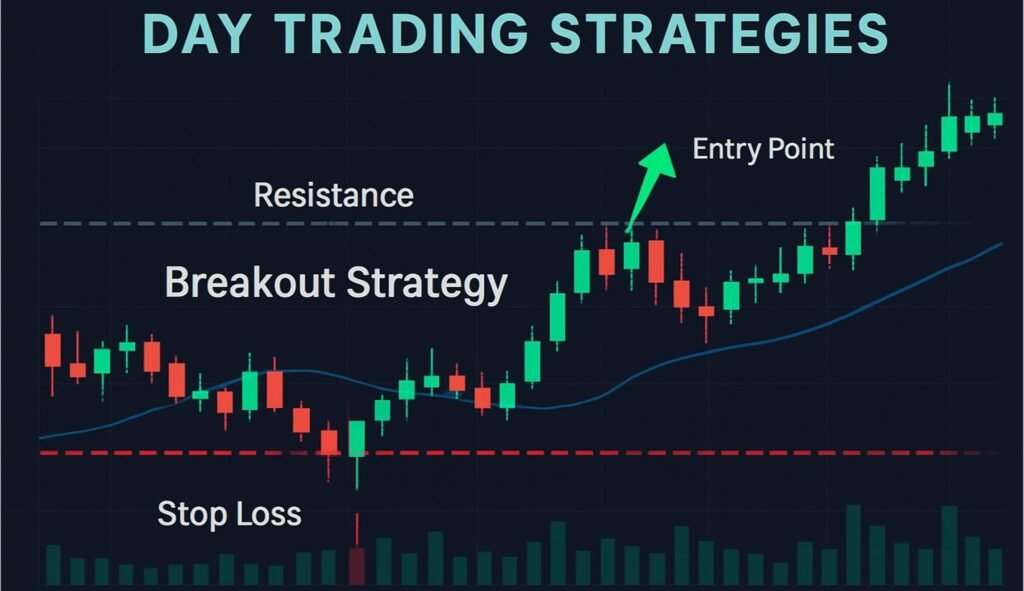
Strategies give your steps structure. Scalping snags tiny profits from dozens of trades, perfect for hyper-focus types. Momentum rides news-driven surges—buy on a breakout, sell at resistance. Range trading bounces between support levels in sideways markets. I’ve leaned on breakouts for years; they suit volatile sessions but demand tight stops. Test in a simulator first—backtesting reveals if a strategy fits your style without real cash on the line.
Day trading works only if you respect the downsides. Volatility can flip wins to wipeouts; leverage turns small losses huge. Most retail traders bleed money—studies peg consistent profits at under 10%. Add in short-term tax hits (up to 37%) and platform fees, and it’s a steep hill. Mentally, it’s grueling: Isolation, stress, and the dopamine rush can hook you like gambling. My advice? If you can’t stomach a 20% drawdown, pivot to long-term investing.
Dip your toe with a paper trading account—simulate for 3-6 months till you’re green consistently. Read classics like “Trading in the Zone” for mindset, and follow vetted forums (avoid hype machines). In 2026, AI alerts and mobile apps make it slick, but fundamentals rule. Budget for education—courses or mentors cut the learning curve. And remember: Start small; scale as skills grow.
Day trading works step by step when approached like a business—prep, execute, review, repeat. It’s thrilling, potentially lucrative, but demands grit and capital. From my seat, it’s rewarded those who treat it seriously, but chewed up the casuals. If this guide sparks interest, demo it out and see. Not your vibe? Index funds build wealth slower but surer. What’s your first move—paper trading or more research? Hit the comments; let’s talk shop.