Newsletter Subscribe
Enter your email address below and subscribe to our newsletter
Enter your email address below and subscribe to our newsletter

All voices matter
In an era where connectivity seems endless, a quiet epidemic is reshaping societies worldwide: the rise of lonely deaths and unclaimed estates. As populations age and family structures fray, governments are left managing billions in abandoned assets, while individuals face their final days in isolation. This isn’t just a demographic blip—it’s a symptom of deeper economic forces at play. Drawing from global data, legal frameworks, and expert insights, this article explores how unchecked capitalism may be fueling family breakdown, declining birth rates, and a surge in solitary endings. We’ll break down the facts, debunk myths, and offer practical paths forward for policymakers, families, and individuals seeking to reclaim human connection in a profit-driven world.
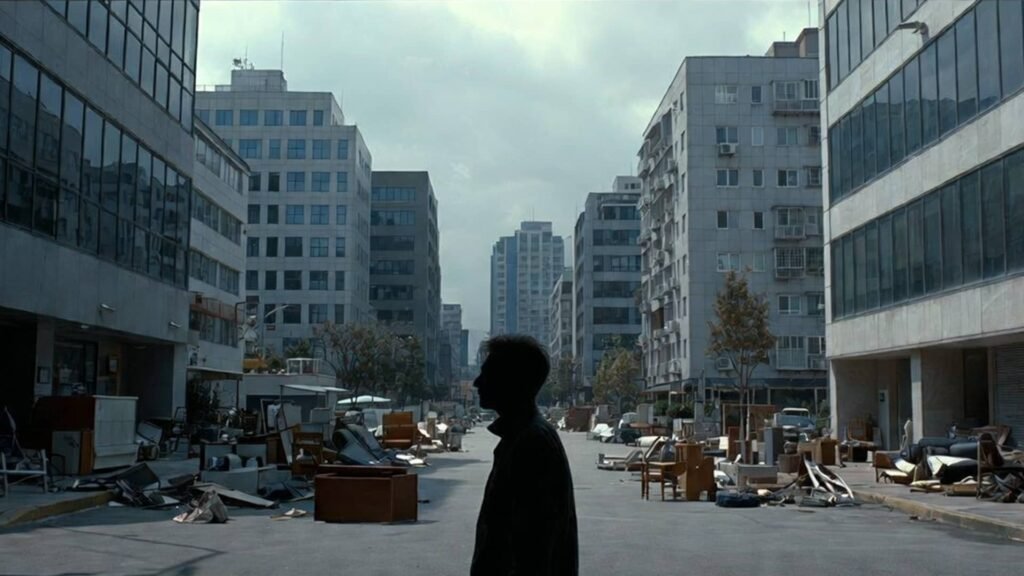
The idea that capitalism deliberately erodes family ties isn’t new, but it’s gaining traction in online forums and academic circles. Proponents argue that pure market forces prioritize “atomized” individuals—single, mobile workers who can relocate for jobs without the “drag” of spouses or kids. This theory posits that families represent inefficient “shared economies”: one household needs just one fridge, one car, but four singles drive quadruple consumption. As industrial societies marketize everything from childcare to eldercare, the family becomes obsolete, replaced by services like apps for therapy or robot companions.
Critics dismiss this as tin-foil hat territory, but there’s substance here. Historical shifts support it—post-Industrial Revolution, nations saw rapid urbanization, pulling people from extended kin networks into factory life. Think of Engels’ writings on 19th-century England, where child labor and grueling hours shattered home life. Modern echoes appear in Reddit threads and X discussions, where users lament how soaring housing costs and wage stagnation make starting families feel impossible. One X post from 2025 captures the sentiment: “Men or women who desire dowry… are condemned to die a lonely death despite all the wealth.”
Experts like historian Stephanie Coontz, in her analyses of family evolution, note that capitalism doesn’t “conspire” with a central command but evolves through profit incentives. Policies favoring corporate flexibility—think gig economy gigs without benefits—discourage long-term commitments like marriage. Yet, as Oded Galor argues in The Journey of Humanity, lower fertility can boost education and prosperity if managed well. The real danger? When systems ignore the human cost, breeding resentment and radicalization among young men who feel sidelined.
Loneliness isn’t just emotional—it’s lethal. The World Health Organization’s 2025 Commission on Social Connection report reveals a staggering toll: loneliness links to about 871,000 deaths annually, or 100 per hour. That’s more than air pollution or tobacco in some metrics. One in six people worldwide experienced loneliness from 2014-2023, hitting hardest among youth (20.9% for teens) and in low-income nations (nearly 25%).

This ties directly to “kodokushi” (lonely deaths) in Japan, where 2024 data showed 76,020 such cases, many undiscovered for days. In Korea, revisions to the 2020 Lonely Death Prevention Law expanded definitions beyond solos to include socially isolated families, reflecting a 54% spike among middle-aged men post-1997 financial crisis. The U.S. estimates 15,000 unclaimed bodies yearly, buried in mass sites like New York’s Hart Island (over 1 million total).
| Region/Country | Annual Lonely Deaths (Est.) | Key Driver | Source |
|---|---|---|---|
| Global | 871,000 | Social isolation, aging populations | WHO 2025 Report |
| Japan | 76,020 | Aging society, family breakdown | Japan Police Agency 2025 |
| South Korea | Not specified (but rising fast) | Economic crises, unemployment | Korean Health Ministry 2024 |
| United States | ~15,000 unclaimed bodies | Wide inheritance laws, poverty | Various investigations |
| United Kingdom | ~4,400 public health funerals | Family estrangement | UK Government stats |
These figures underscore a paradox: wealthier nations, with better healthcare, face higher isolation rates. As single-person households climb—35% globally in 2024, projected to 45% by 2050 (UN data)—deaths go unnoticed, amplifying emotional and fiscal burdens.
Capitalism’s critics, from Marx to modern economists like Claudia Goldin, highlight how economic pressures dismantle families. Goldin’s research shows fertility now inversely correlates with income: richer nations birth fewer kids as opportunity costs soar—women forgo careers, men face provider stress. In the U.S., post-Reagan trickle-down policies eroded unions and safety nets, forcing dual incomes. What was once a choice (stay-home parenting) became impossible amid stagnant wages and skyrocketing costs.
Conspiracy theories amplify this: forums buzz with claims that “cultural Marxism” (a far-right trope) colludes with capitalism to promote individualism, eroding nuclear families via women’s rights and sexual liberation. But data backs subtler mechanics. In East Asia, compressed modernization (30 years vs. West’s 100+) clashed with Confucian family duties, leading to severed ties. China’s 0.125 billion single households (25% of total) in 2020 reflect this, with empty-nest elders at 50-70%.
Expert Charles Jones warns low fertility stifles innovation, potentially halting growth. Yet, as Vivek Murthy notes, loneliness rivals smoking’s health risks, costing economies billions in lost productivity. X threads echo personal tolls: “Birthright inheritance from veterans needs scrutiny… That’s exploitation masquerading as love.”

When no heirs claim estates, governments step in—but it’s no windfall. Japan’s 2024 unclaimed assets hit ¥129 billion (~$830 million), yet managing 9 million empty homes costs trillions. Korea netted just $8.5 million over a decade, as most decedents were poor. The U.K. sees £2 billion in unclaimed funds yearly, some funneled to royal duchies (a 2023 Guardian exposé revealed only 15% went to charity).
Laws vary wildly. Many nations repealed estate taxes post-2000 (e.g., Australia in 1979, Hong Kong in 2006) to boost growth, but unclaimed rules persist under “bona vacantia” (ownerless goods to the crown). The U.S. expands heirs to distant kin, spawning “heir hunters” who take 30-40% cuts. China limits to close relatives, preferring state management to avoid disputes.
| Country | Unclaimed Inheritance Approach | Annual Value (Est.) | Notes |
|---|---|---|---|
| Japan | Escheats to treasury; high empty home costs | $830 million | Focus on affluent accounts |
| South Korea | Broad heirs to avoid state burden | $850,000 (decade total) | Poor decedents dominate |
| United Kingdom | To crown or duchies; partial charity | Up to $2 billion | Low stats mask private funerals |
| United States | Wide kin search; heir hunters | Varies by state | Efficient but exploitative |
| China | State as manager; frozen assets common | Not quantified | Civil Code 2021 innovation |
These systems highlight ethics: is 100% “death tax” fair, or does it penalize the childless? Experts like those at the OECD argue for reforms balancing revenue with dignity.
Declining fertility alarms economists. Rachel Greszler at Heritage warns it slows growth, straining debts and pensions. Brookings’ paper on social comparisons suggests an “arms race” in parenting hikes costs, deterring kids. Goldin ties it to gender norms: as women advance, fertility drops unless policies adapt.
Yet, optimists like Galor see upside—fewer kids mean deeper investments, spurring innovation. Banfield’s 1958 study on “amoral familism” (prioritizing nuclear kin) warns unchecked individualism breeds societal decay. X users vent: “Unchecked capitalism is the cause of the male loneliness epidemic.”
Decision-makers: Prioritize family-friendly policies. Murthy calls for social connection resolutions; Jones urges R&D boosts to offset demographic dips.
To counter this, experts advocate systemic fixes. Strengthen unions for fair wages; expand affordable housing and childcare (e.g., Nordic models). Tax reforms could incentivize multi-generational homes, reducing isolation. Community programs—like Korea’s expanded lonely death laws—foster ties.
For individuals: Estate planning via wills prevents unclaimed assets; tech like AI companions helps, but real connections matter. Policymakers: Invest in mental health, as WHO urges, to curb 871,000 annual deaths.
Families aren’t capitalism’s enemy—they’re its foundation. Ignoring this invites stagnation; addressing it rebuilds resilience.
As poet Rilke wrote, the dying gaze back, demanding answers on dignity. In 2026, with single households surging, we must choose: perpetuate isolation for profits, or reform for humanity? The stakes—economic, ethical, existential—are too high to ignore. Share your thoughts: How has modern life reshaped your family? Let’s discuss solutions that honor both progress and connection.