
Newsletter Subscribe
Enter your email address below and subscribe to our newsletter
Enter your email address below and subscribe to our newsletter

All voices matter
As we kick off 2026, the investment world is buzzing about a monumental shift: Warren Buffett, the legendary Oracle of Omaha, officially passing the CEO baton to Greg Abel at Berkshire Hathaway. This isn’t just a corporate reshuffle; it’s the end of an era for one of the most iconic figures in finance. If you’re an investor pondering what this means for your portfolio, Berkshire’s stock, or even broader market strategies, you’re in the right place. Drawing from decades of market analysis, recent financial reports, and insights from value investing heavyweights like Seth Klarman, this deep dive explores the handover, Abel’s readiness, and timeless lessons from Buffett that could shape your own investing journey.
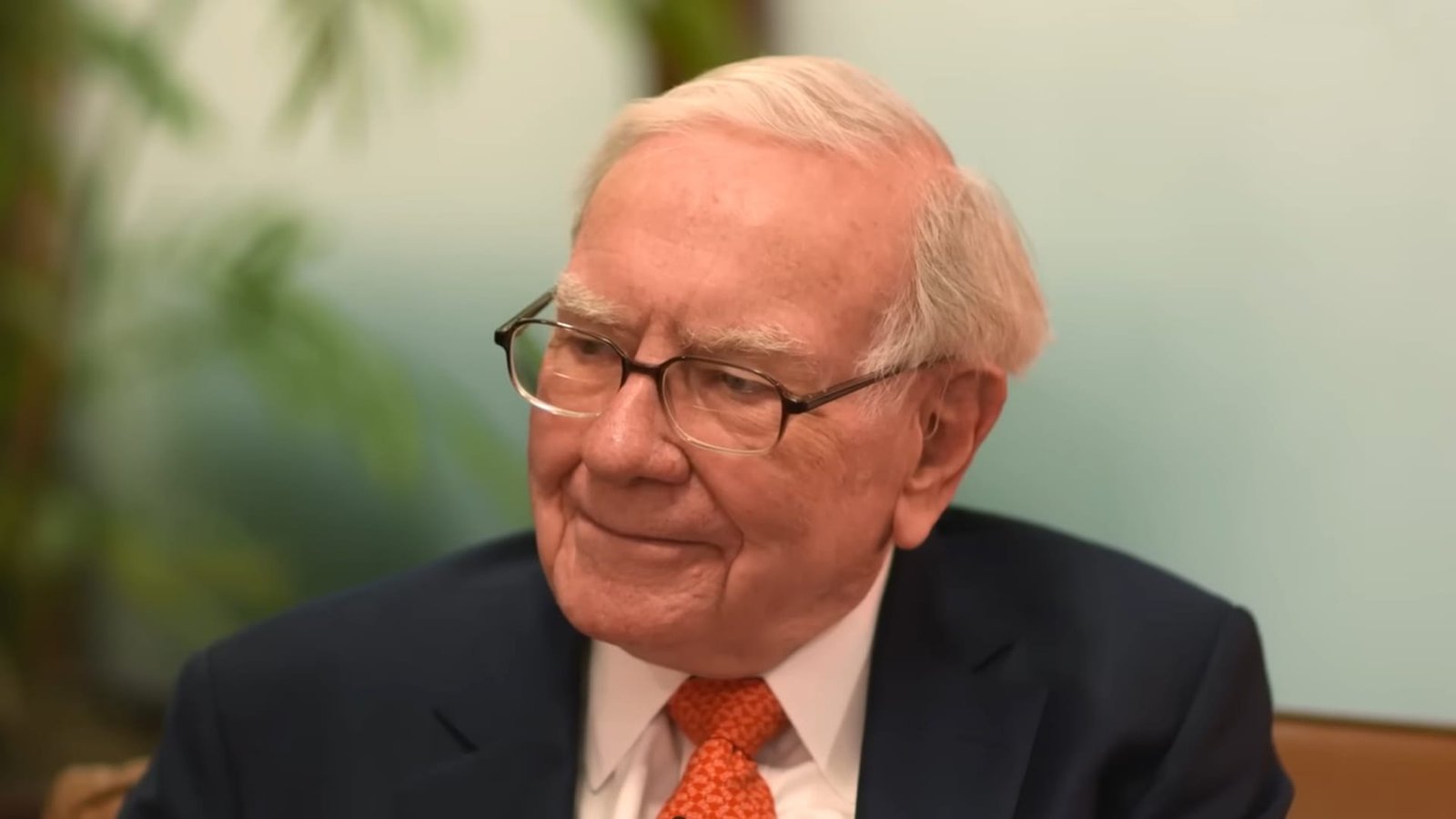
Warren Buffett didn’t just build Berkshire Hathaway; he transformed it from a struggling textile mill into a trillion-dollar conglomerate. Starting in 1965, when he acquired control of the company for around $19 per share, Buffett pivoted it toward insurance, railroads, energy, and consumer goods. Today, with a market cap exceeding $1 trillion as of early 2026, Berkshire boasts after-tax profits hovering near $500 billion annually and cash reserves topping $350 billion – a fortress-like balance sheet that’s the envy of Wall Street.
But let’s be real: the past few years haven’t been Buffett’s strongest. Berkshire’s Class A shares rose about 10.44% in 2025, lagging the S&P 500’s 17.4% gain. Over the last 3, 10, and 15 years, the company has underperformed the index, partly due to its massive size making big moves tougher. Buffett’s cautious approach – sitting on mountains of cash and trimming stakes in high-flyers like Apple and Bank of America – has drawn scrutiny. Yet, this prudence stems from his core philosophy: buy quality businesses at fair prices and hold forever.
Seth Klarman, the value investing guru behind Baupost Group and editor of the seventh edition of Graham and Dodd’s Security Analysis, recently penned a thoughtful piece on Buffett’s methods. Klarman highlights how Buffett’s success boils down to “simple but not easy” principles: relentless curiosity, disciplined research, and unshakeable integrity. Born in 1930, Buffett started young – buying his first stock at 11 and running pinball machines as a teen entrepreneur. His Columbia education under Benjamin Graham sealed his value investing fate, leading to the partnership that evolved into Berkshire.
Greg Abel, now 63, isn’t a newcomer to Berkshire. He’s been with the company since 2000, rising through the ranks in its energy division before becoming vice chairman in 2018. Abel’s track record is solid: he turned Berkshire Hathaway Energy into a powerhouse, navigating regulatory hurdles and expanding renewables. At shareholder meetings, he’s sat beside Buffett, fielding questions with poise and deep operational knowledge.
But can he replicate Buffett’s magic? Abel lacks the folksy charm and market intuition that defined Buffett and his late partner Charlie Munger. Munger, the “reverse thinking” maestro, was Buffett’s intellectual sparring partner for decades. Abel’s style is more managerial – focused on execution rather than visionary deal-making. Still, Buffett has endorsed him fully, noting Abel’s understanding of capital allocation and risk management.
From what I’ve gathered through years of following Berkshire’s filings and analyst reports, Abel’s strengths lie in operations. He’s overseen acquisitions like the $10 billion Dominion Energy deal in 2020 and pushed for sustainable energy investments. In a post-Buffett world, expect more emphasis on tech and green initiatives, areas where Berkshire has lagged peers.
Buffett’s playbook isn’t rocket science, but it’s profoundly effective. Here’s what stands out, informed by Klarman’s analysis and Buffett’s own letters to shareholders:
These aren’t outdated; they’re timeless. In 2026’s volatile landscape – with AI disruptions and climate shifts – applying them could mean spotting undervalued firms in renewables or tech infrastructure.
To illustrate Buffett’s historical edge, here’s a quick performance snapshot:
| Time Period | Berkshire Hathaway Annualized Return | S&P 500 Annualized Return | Key Buffett Moves |
|---|---|---|---|
| 1965-1985 | 23.2% | 8.4% | Shift to insurance; early Coke investment |
| 1986-2005 | 18.1% | 10.2% | Apple stake buildup; financial crisis buys |
| 2006-2025 | 12.5% | 9.8% | Railroad acquisitions; cash hoarding |
| Overall (1965-2025) | 19.8% | 10.1% | Long-term compounding |
Data sourced from Berkshire’s annual reports and market indices. Note: Returns include dividends for S&P 500.
Size is Berkshire’s double-edged sword. At over $1 trillion, finding needle-moving acquisitions is tough – think “elephant hunting,” as Buffett calls it. The cash pile, while a safety net, drags returns in low-interest environments. Recent sales of Apple (down from 50% of the portfolio) and Bank of America reflect Buffett’s wariness of overvaluations.
Under Abel, expect continuity with tweaks. He’ll likely lean on lieutenants like Ajit Jain for insurance and Todd Combs/Ted Weschler for investments. Analysts from firms like Morningstar predict steady 8-10% annual growth, outpacing inflation but not the go-go tech sector. Risks? Succession hiccups, regulatory pressures on energy, or a market downturn exposing cash drag.
I’m optimistic but realistic. Abel’s operational savvy could modernize Berkshire, perhaps accelerating buybacks or tech tie-ups. Buffett remains chairman, offering guidance from his Omaha office. Yet, replicating Buffett’s 19.8% compounded returns? Unlikely in a mature company.
For investors: If you hold Berkshire, stay put – it’s a diversified bet on America. Newbies? Buy on weakness, echoing Buffett. Diversify beyond it, though; no stock is forever.
Buffett’s influence endures through his philanthropy (over $50 billion donated) and simple life – hamburgers, Coke, and a modest home. As Klarman puts it, he’s a North Star for rational investing amid chaos.
In 2026, with markets eyeing Fed moves and global uncertainties, Buffett’s handover reminds us: success comes from discipline, not dazzle. What do you think – will Abel rise to the occasion? Share in the comments below.
Disclosure: The author holds no positions in Berkshire Hathaway as of this writing. This is not financial advice; consult a professional for personalized guidance.




[…] [11] Warren Buffett’s Handover: Greg Abel Takes the Helm at Berkshire Hathaway […]