
Newsletter Subscribe
Enter your email address below and subscribe to our newsletter
Enter your email address below and subscribe to our newsletter

All voices matter
As we wrap up 2025, China space sector has delivered some of the most talked-about moments in global rocketry. From the dramatic debut of the Long March 12A to LandSpace bold Zhuque-3 test, these events aren’t just technical footnotes—they signal a shift in how China is tackling reusable launch tech. If you’re tracking aerospace trends, investing in tech, or simply curious about the next space race, this year showed Beijing’s determination to challenge SpaceX’s lead. But is China really catching up, or are these steps more about laying groundwork amid failures? Drawing from recent launches and industry insights, let’s break it down.
China’s push into reusable rockets hit a fever pitch in December 2025, with two major firsts that grabbed headlines worldwide. First up was LandSpace’s Zhuque-3, a privately developed stainless-steel beast that blasted off on December 3 from the Jiuquan Satellite Launch Center. This methane-fueled rocket nailed its orbital insertion, deploying its second stage successfully, but the real drama came during the recovery attempt. The booster came close—descending with grid fins and legs deployed—but a landing burn failure at around 3 km altitude led to a hard crash just outside the target zone. It wasn’t a win, but for a debut flight, it provided heaps of data on reentry dynamics and engine relights.
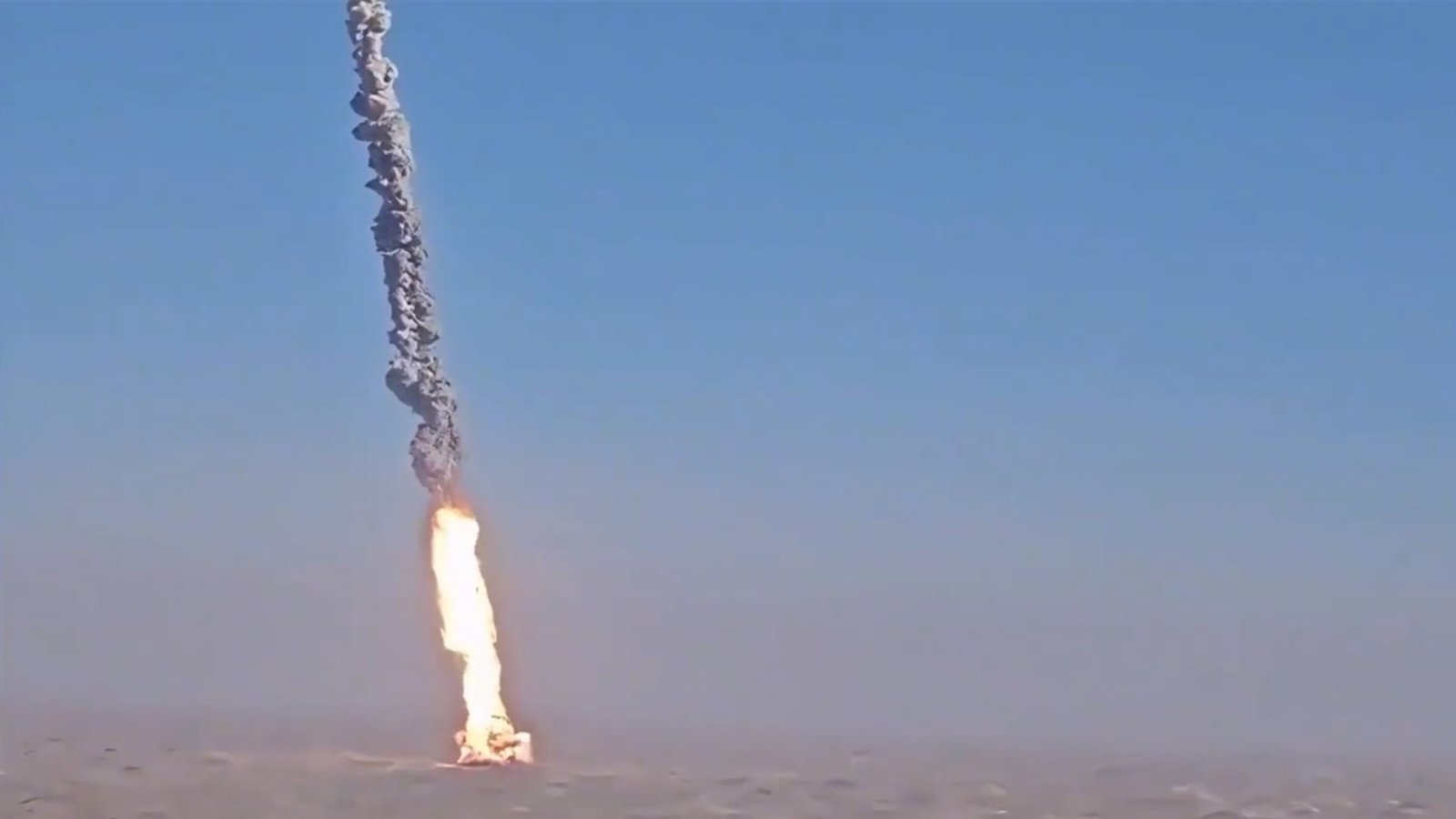
Fast-forward to December 23, and state-owned powerhouse Shanghai Academy of Spaceflight Technology followed suit with the Long March 12A. Similar in scale to Zhuque-3 (about 69 meters tall and 3.8 meters wide), this rocket also aced its ascent, reaching orbit from Jiuquan. Yet, like its commercial counterpart, the reusable first stage missed the mark on landing, crashing a few miles off-target. These back-to-back tests marked China’s first orbital-class recovery attempts, blending national muscle with private hustle in a way that’s reshaping the country’s space game.
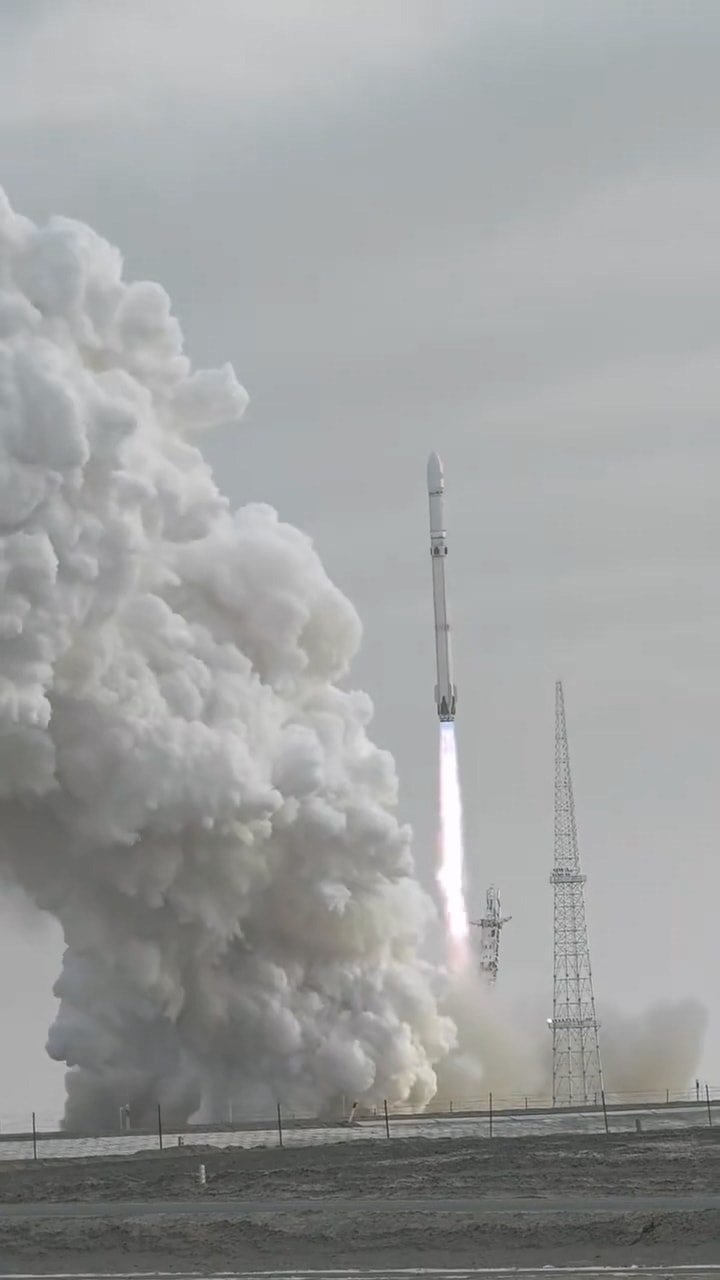
What stands out here isn’t the explosions—those are par for the course in rocketry—but the speed. China went from zero reusable orbital tests to two in under a month, drawing on lessons from suborbital hops and engine trials earlier in the year. It’s a reminder that progress often looks messy at first, much like SpaceX’s early Falcon 9 days, where boosters routinely met fiery ends before routine recoveries became the norm.
No conversation about China’s 2025 strides skips the elephant in the room: Elon Musk’s SpaceX. Musk himself noted Zhuque-3’s design tweaks, like stainless steel and methalox (methane-liquid oxygen) propulsion, calling it a “Falcon 9 architecture” upgrade that could eventually outperform the real thing. But let’s get real—the specs tell a tale of ambition versus scale.
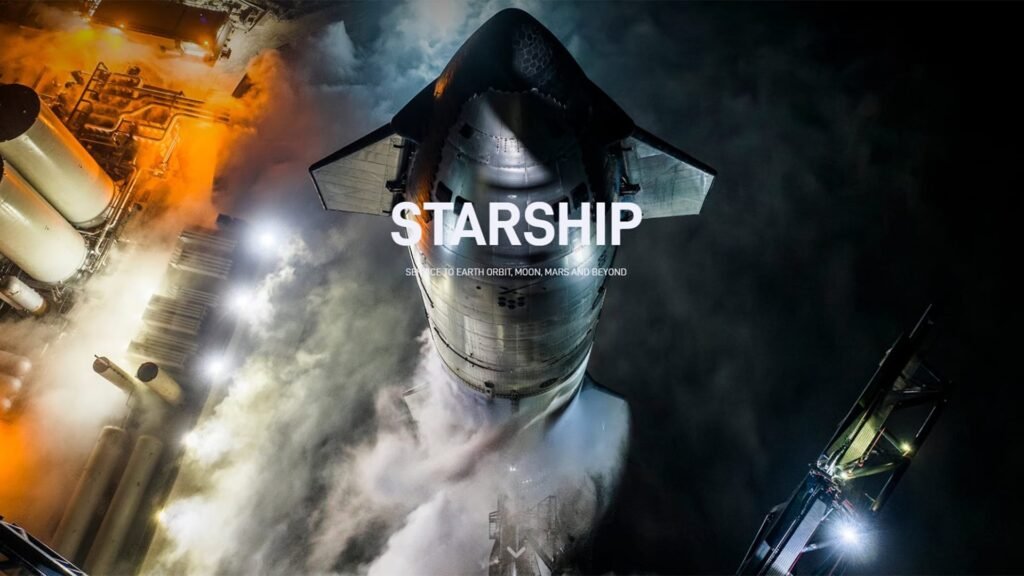
SpaceX’s Starship is a monster at 5,000 tons takeoff weight, eyeing 150 tons to low Earth orbit (LEO) in reusable mode. Falcon 9, the reliable workhorse, lifts about 22 tons to LEO while reusing boosters dozens of times. In contrast, Long March 12A clocks in at around 437 tons, with a reusable LEO payload of 9 tons, while Zhuque-3 hits 600 tons takeoff and aims for similar capacities. They’re not in the same weight class yet, but that’s the point: China is starting with Falcon 9-like mediums to build expertise before scaling up.
To make this clearer, here’s a side-by-side look at the key players:
| Rocket | Developer | Takeoff Weight (tons) | Reusable LEO Payload (tons) | Fuel Type | 2025 Status |
|---|---|---|---|---|---|
| Zhuque-3 | LandSpace (Private) | ~600 | ~9-12 | Methane-LOX | Debut flight: Orbit success, landing failure |
| Long March 12A | CASC (State-owned) | ~437 | ~9 | Kerosene-LOX (first stage) | Debut flight: Orbit success, landing miss |
| Falcon 9 | SpaceX | ~550 | ~17 (reusable) | Kerosene-LOX | 100+ reuses per booster; 167 launches in 2025 |
| Starship | SpaceX | ~5,000 | ~150 (target reusable) | Methane-LOX | Multiple test flights; orbital attempts ongoing |
These numbers highlight the gap—SpaceX launched 167 times in 2025 alone, deploying nearly 9,000 Starlink satellites. China? Around 80 orbital attempts, with constellations like Guowang and Thousand Sails totaling under 300 birds so far. But reusable tech could slash costs, letting China flood the skies with sats for broadband and navigation, much like Starlink’s dominance.
Failures sting, but they’re fuel for iteration. Zhuque-3’s crash yielded critical reentry posture and multi-engine ignition data, echoing SpaceX’s path through 16 test flights from 2013 to 2016 before nailing consistent landings. Long March 12A’s mishap? Likely tied to guidance or propulsion glitches, but the core mission—orbital delivery—was spot-on.
The bigger hurdle is time. With SpaceX eyeing Starship’s 12th flight and beyond, China’s window to compete in megaconstellations is narrowing. Without reusability, launch costs stay high, hobbling plans for 10,000+ satellite networks. It’s not just prestige; it’s about securing orbital real estate for economic and strategic edge. Add in military-civil fusion, where private firms like LandSpace feed into national goals, and you see a ecosystem primed for eruption—despite tech lags.
Looking to 2026, expect fireworks. LandSpace aims for Zhuque-3’s second hop in the first half, potentially nailing recovery. State players are queuing up too: A Long March 10 derivative could debut as reusable, while outfits like Space Pioneer eye Tianlong-3 tests. If trends hold, China could log its first full recovery within 6-12 months, kickstarting mass production.
Longer term? Moon landings by 2030 via Long March 10 and Mengzhou spacecraft, plus beefed-up constellations. Private sector growth, fueled by Beijing’s policy tweaks, could mirror SpaceX’s disruption—but with a Chinese twist of state-private synergy.
If you’re eyeing investments, 2025’s tests scream opportunity amid volatility. LandSpace’s IPO push, targeting $1 billion for reusables, positions it as China’s SpaceX analog—complete with Musk’s nod. State firms like CASC offer stability, but privates bring upside in constellations like Honghu-3.
Weigh the risks: Tech hurdles persist, and geopolitics could snag supply chains. But with China’s launch tally climbing and reusability on the horizon, the sector’s growth trajectory looks solid. Start small—track firms via Shanghai’s STAR Market—or dive into ETFs blending space and tech. The key? Patience; today’s flops are tomorrow’s fleets.
In the end, 2025 wasn’t about overtaking SpaceX—it’s about proving China can play the long game in reusables. Failures aside, these steps toward cost-effective launches could redefine global space access. If history’s any guide, the real breakthroughs come after the booms. Keep watching; the stars are aligning for something big.





[…] China Reusable Rockets in 2025: Closing Gap with SpaceX or Just Getting Started? […]
[…] China Reusable Rockets in 2025 […]