Newsletter Subscribe
Enter your email address below and subscribe to our newsletter
Enter your email address below and subscribe to our newsletter

All voices matter
Looking back from early 2026, 2025 stands out as the year SpaceX didn’t just compete in the space race—it owned it. With over 165 orbital launches under its belt, Elon Musk’s company handled more than half of the world’s rocket activity, pushing boundaries in reusability and satellite deployment. I’ve followed aerospace trends for years, and what unfolded last year wasn’t just technical wizardry; it was a business masterstroke that shook up global communication and launch services. If you’re eyeing investments in space tech or wondering how satellite internet is evolving, this breakdown will help you grasp why SpaceX pulled ahead and what it means for the industry moving forward.
Last year, the global space industry saw around 300 rocket launches, but SpaceX alone accounted for roughly 170 of them—more than all other players combined. This wasn’t luck; it stemmed from the Falcon 9’s reliability, hitting its 500th launch milestone while boosters flew up to 32 times each. Compare that to competitors like Europe’s Ariane or Blue Origin, which managed far fewer flights amid delays and higher costs.
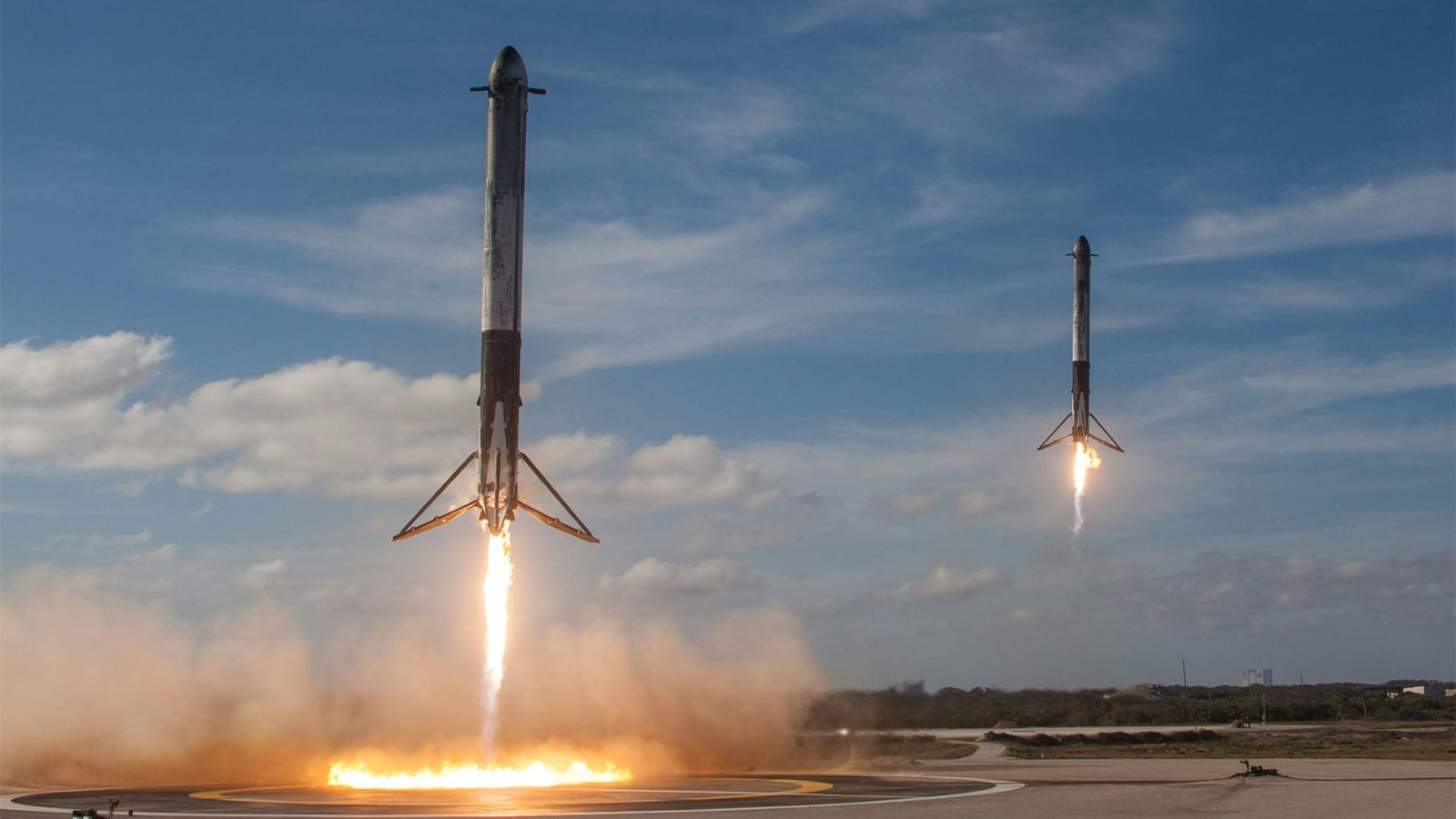
The real game-changer? Reusability. SpaceX’s boosters returned like clockwork, slashing expenses and enabling rapid turnaround. By mid-2025, the Starship program nailed its first tower catches with mechanical arms, proving full reusability wasn’t a pipe dream. This tech not only cut downtime but positioned SpaceX to dominate payloads, from government contracts to private satellites.
Starlink exploded in 2025, crossing 9,300 active satellites by year’s end—over 65% of all operational ones orbiting Earth. With a total of around 14,000 active satellites globally, SpaceX’s constellation dwarfed rivals, delivering broadband to remote spots and even direct-to-cell service via partnerships like T-Mobile.
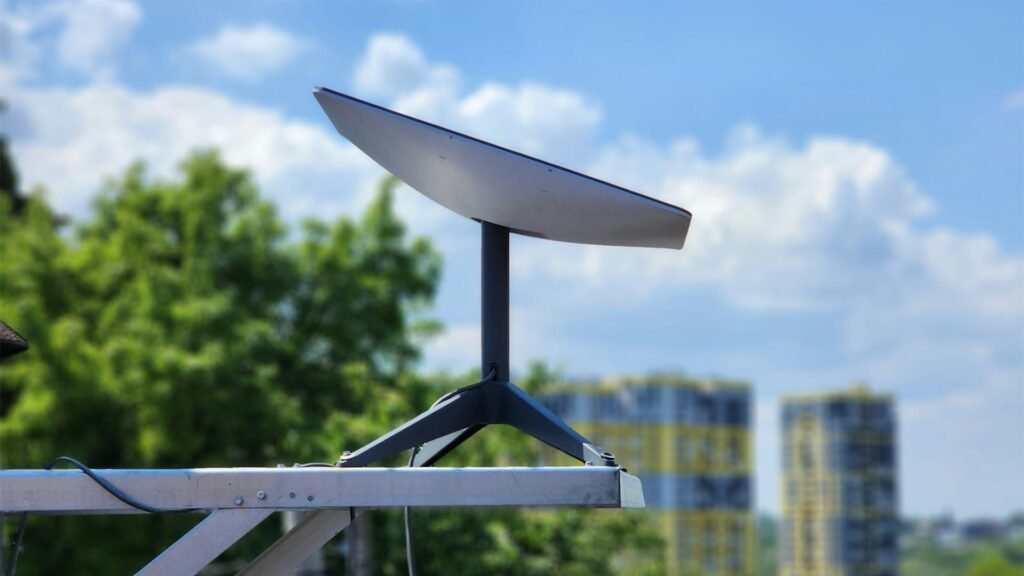
This wasn’t just about numbers; it was market penetration. Starlink’s revenue hit an estimated $15 billion, turning positive cash flow and eclipsing SpaceX’s launch business. Users in rural areas, ships at sea, and even disaster zones got reliable connections, with speeds often topping 200 Mbps. The direct-to-phone feature, rolling out mid-year, let standard mobiles link up without extra hardware— a blow to traditional telecom giants facing coverage gaps.
SpaceX’s edge boiled down to economics. Internal costs dropped to about $1,500 per kilogram to orbit, a fraction of competitors’ $5,000-plus figures. With Starship booster catches, projections dipped toward $200/kg, making legacy rockets obsolete before they even launched.
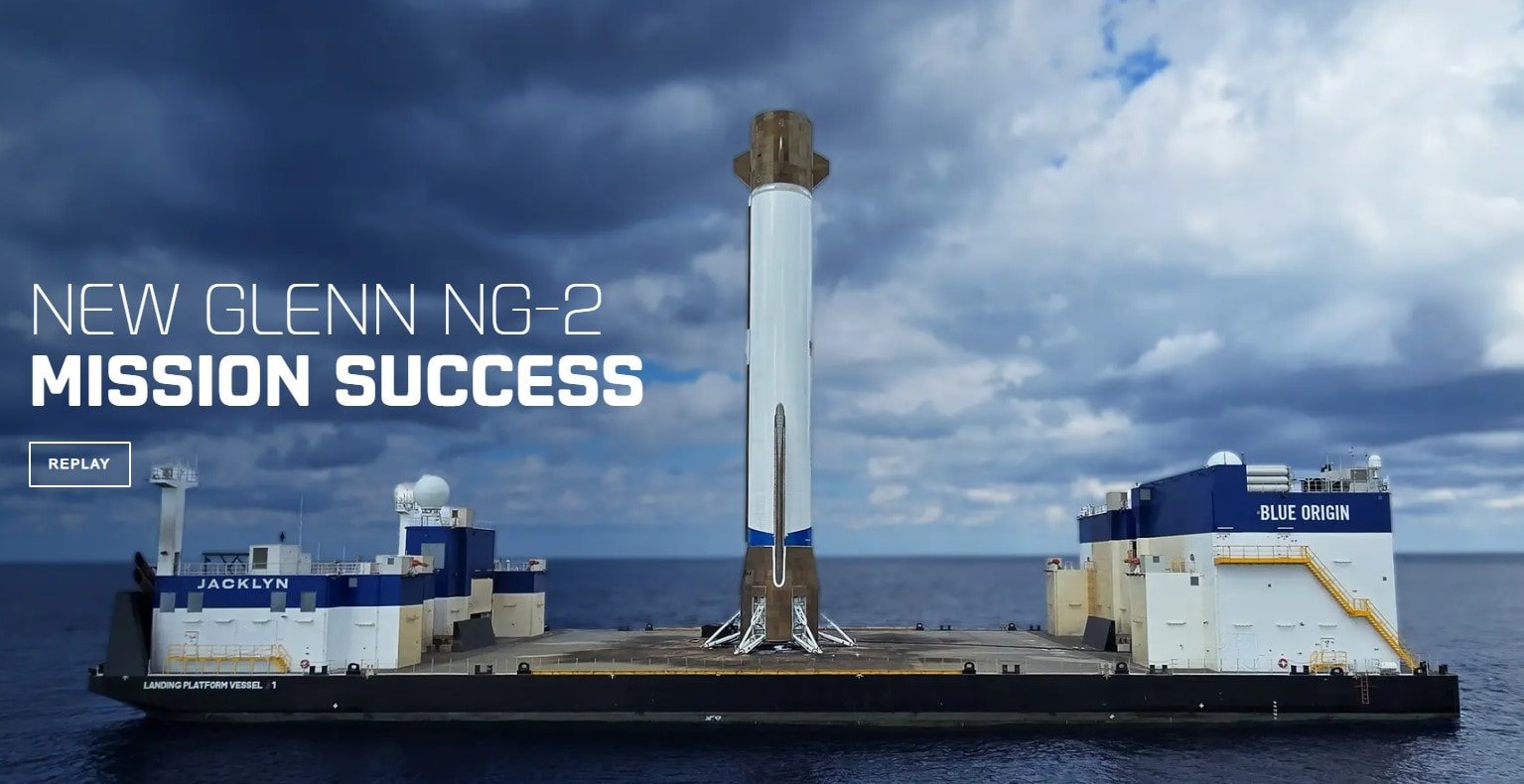
This cost cliff created a moat. While Ariane 6 or Blue Origin New Glenn struggled with single-use designs, SpaceX reused hardware like washing clothes—efficient and scalable. For clients, it meant cheaper rides to space, fueling more missions and feeding Starlink’s growth.
To illustrate the gap, here’s a comparison of key players in 2025:
| Company/Constellation | Launches in 2025 | Active Satellites | Cost per kg to Orbit (Est.) | Key Milestone |
|---|---|---|---|---|
| SpaceX/Starlink | 165+ | 9,300+ | $1,500 | Booster catches, direct-to-cell rollout |
| Amazon/Kuiper | 5 (test batches) | 100+ | N/A (pre-commercial) | First orbital deployments, 2026 target |
| Europe/Iris² | 0 | 0 | N/A (planning phase) | Contracts signed, 2030 deployment |
| China (Various) | ~100 | 1,000+ | $3,000+ | State-backed growth, but fragmented |
These figures highlight SpaceX’s lead—while others planned, Musk’s team executed.
Amazon’s Kuiper made headlines with its first 27 satellites in April, but by year-end, it barely scratched 100 in orbit. Slated for 2026 commercial service, it relied on SpaceX rockets for launches—ironic, given the competition. Kuiper’s focus on blending with Amazon’s ecosystem is smart, but trailing Starlink’s 9 million subscribers means a steep climb.
Europe’s Iris² fared worse. Aimed at secure comms with 282 satellites by 2030, it signed contracts in December 2024 but launched none in 2025. Bureaucracy and funding woes left it grounded, watching SpaceX lap the field. For telecom firms, this meant pivoting: join Starlink alliances or risk obsolescence as users fled to satellite options for remote access.
By late 2025, SpaceX’s valuation hit $800 billion in insider sales, with whispers of a $1.5 trillion IPO in 2026—the biggest ever. Investors weren’t valuing it as a rocket firm but a tech titan, blending launches, satellites, and future Mars ambitions. Starlink’s cash cow status, outpacing NASA’s contracts, fueled this: revenue projections topped $15 billion, with margins improving on scale.
For decision-makers, this signals opportunity. If you’re an investor, weigh the risks—regulatory hurdles, orbital congestion—but the upside in space economy growth is massive. Early backers like Ron Baron see trillion-dollar potential; retail folks might eye funds exposed to SpaceX post-IPO.
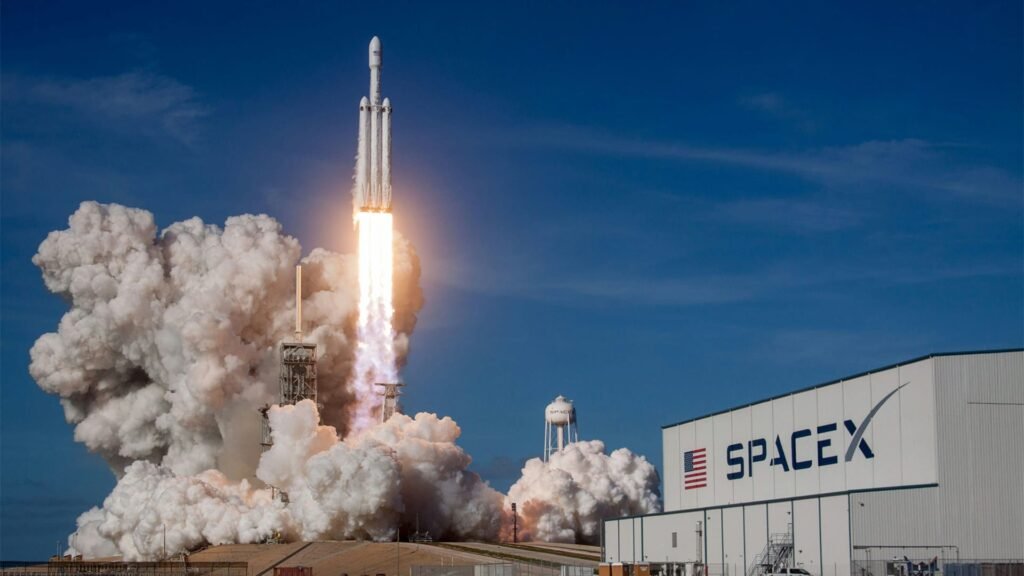
2025 marked a watershed: space went from sci-fi to staple. SpaceX’s reusable tech and Starlink swarm didn’t just disrupt; they harvested markets, from global broadband to edge computing in orbit. For everyday users, it means better connectivity in hikes or oceans; for businesses, cheaper satellites spur innovation in tracking, AI, and tourism.
But challenges loom—orbital debris from 14,000+ satellites demands better management, and geopolitical tensions could spark rival constellations. Still, SpaceX’s playbook shows first-mover advantage wins. If you’re pondering entry, whether as investor or user, bet on scalability. Musk’s vision isn’t selling bandwidth; it’s funding Mars with Earth’s comms profits. In this new era, being a spectator might mean missing the launch. What’s your move?