Newsletter Subscribe
Enter your email address below and subscribe to our newsletter
Enter your email address below and subscribe to our newsletter

All voices matter
In the whirlwind of 2026 geopolitics, former President Donald Trump’s actions—from saber-rattling against Iran to seizing control in Venezuela—seem like the moves of a leader unhinged. These aren’t random outbursts; they’re part of a high-stakes bid to reinvent the US dollar before it crumbles under its own weight. Drawing from years of analyzing debt cycles, currency dominance, and resource geopolitics, I’ll break down what’s really happening, why it’s unfolding this way, and what it means for investors, policymakers, and everyday folks navigating this turbulent era.
If you’re searching for clarity on “Trump’s 2026 policies and US dollar crisis,” you’re in the right place. We’ll explore the underlying logic, weigh the risks, and offer practical insights to help you make informed decisions—whether that’s adjusting your portfolio or understanding broader global trends.
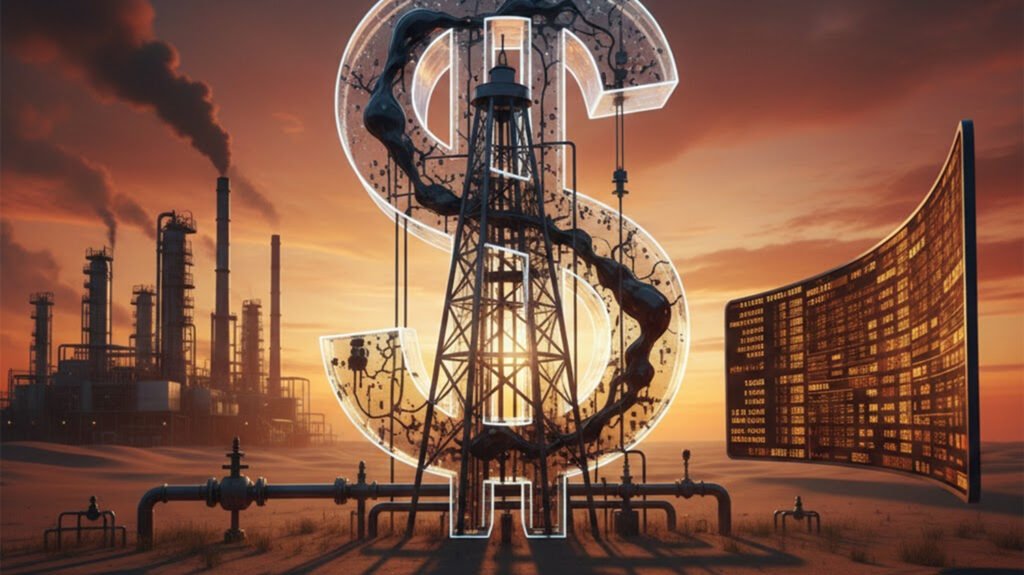
For over half a century, the US dollar has been the undisputed king of global finance, anchored by petroleum and backed by American military might. This “oil dollar” system ensured that oil trades worldwide were settled in dollars, funneling capital back to the US and allowing it to export inflation while importing cheap goods. But by 2026, cracks in this foundation have turned into chasms.
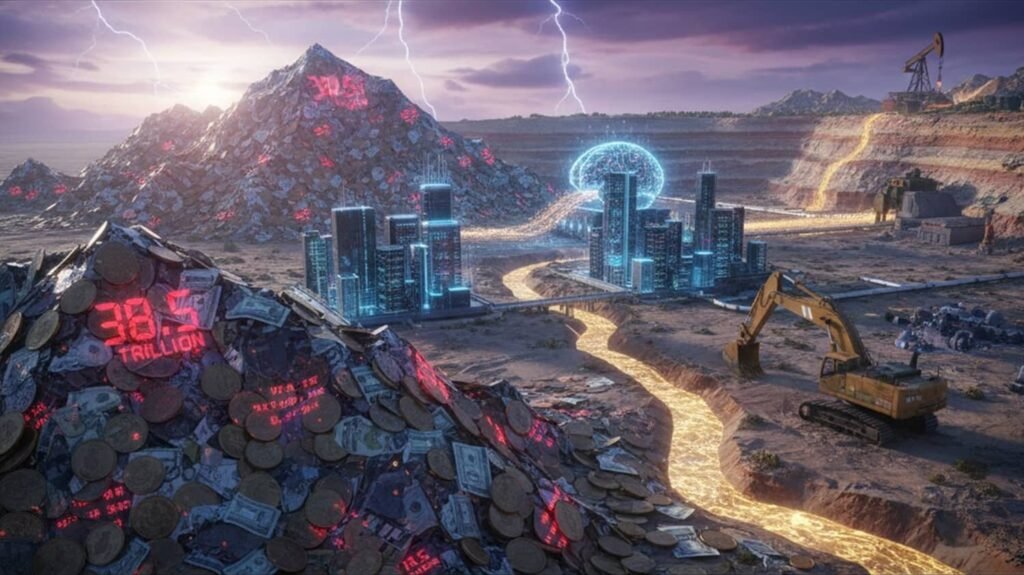
Consider the numbers: US federal debt has ballooned to $38.5 trillion, with annual interest payments hitting $1 trillion—surpassing the $900 billion defense budget. Historian Niall Ferguson once warned that when a nation’s debt interest exceeds military spending, decline is imminent. We’re there now, at what I call the “Ferguson Threshold.” Meanwhile, BRICS nations have pushed local currency settlements to over 45% of their trade, nearing 90% in key sectors. Once dollar usage dips below 50% globally, its pricing power erodes, turning it from the default to just an option.
Add in strategic retreats from the Middle East and eroding trust in US Treasuries, and the dollar’s status as a safe haven is teetering. Without intervention, a full collapse could trigger hyperinflation, supply chain breakdowns, and even domestic unrest. Trump’s team knows this; their response isn’t madness—it’s a survival reflex aimed at debt dilution through depreciation, all while scrambling for new anchors.
At the core of Trump’s 2026 strategy is a two-pronged assault: first, weaken the dollar to erode debt value; second, re-anchor it to tangible resources beyond oil. This isn’t about ideology—it’s raw economics. By pressuring the Federal Reserve for aggressive rate cuts, Trump aims to inflate away obligations. Remember, a 5% inflation rate shrinks debt’s real value by the same amount annually. That’s why the criminal probe into Fed Chair Jerome Powell, ostensibly over a $2.5 billion HQ renovation, feels like a pretext. The real fight? Powell’s anti-inflation stance clashing with Trump’s need for a compliant Fed.
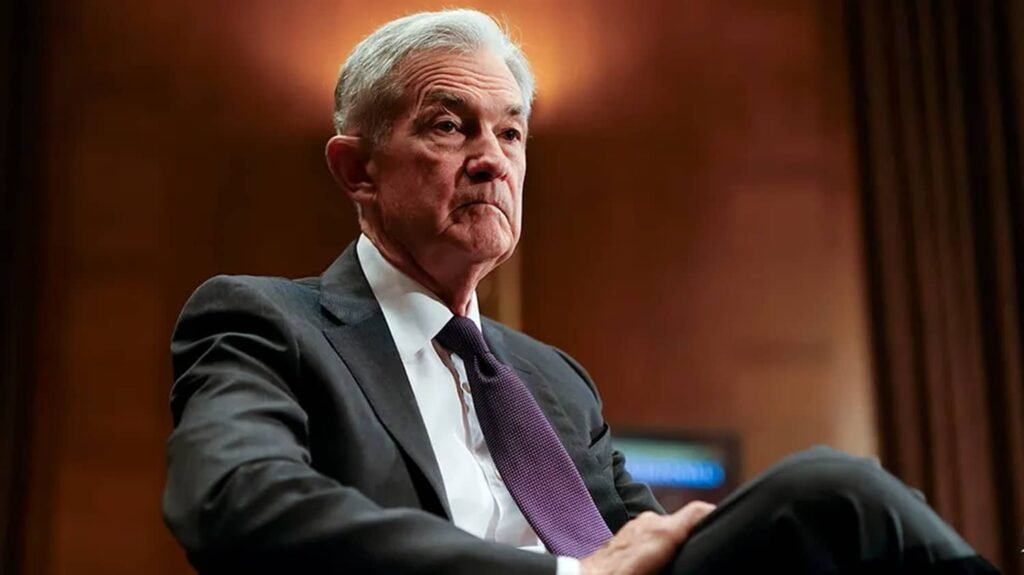
Come May 2026, Powell’s term ends, paving the way for a handpicked successor focused on liquidity injections. But unchecked printing risks runaway inflation, spiking living costs and alienating voters ahead of midterms and the 2028 election—where Trump’s VP pick, JD Vance, needs a clear path.
To counter this, Trump is pivoting to a “resource dollar” model. Here’s how it breaks down:
This resource grab offsets inflation by cheapening key inputs. Low oil prices curb logistics hikes; affordable minerals keep AI chips and gadgets accessible. In a nod to history, it’s an evolution of the petrodollar—swapping contracts for coercion.
To illustrate the shift, here’s a comparison of the traditional petrodollar versus Trump’s envisioned resource dollar:
| Aspect | Traditional Petrodollar | Emerging Resource Dollar |
|---|---|---|
| Primary Anchor | Oil (via OPEC agreements) | Oil + Strategic Minerals (e.g., rare earths, lithium) |
| Enforcement Mechanism | Diplomatic pacts and security guarantees | Military intervention and direct control |
| Economic Benefit | Capital inflows from global oil trades | Price suppression for US imports; capital recycling via ally purchases |
| Risks | Dependency on Middle East stability | Geopolitical backlash; supply chain delays |
| Timeline | Established post-1970s | Short-term chaos (3-5 years) for long-term gains |
This table highlights why Trump’s moves, while aggressive, follow a logical progression from debt management to asset-backed currency resilience.
Trump’s vision doesn’t stop at resources—it’s intertwined with AI as the ultimate endgame. The US is pouring trillions into AI development, viewing it as a productivity supernova capable of melting away debt through exponential GDP growth. Think nuclear fusion breakthroughs or automated manufacturing erasing fiscal burdens.

But AI guzzles energy and hardware, demanding cheap resources to thrive. Controlling global pricing isn’t just dollar salvation; it’s fuel for an “AI dollar” era, where compute power and data become the new gold standard. Bitcoin reserves? That’s a liquidity sponge, soaking up excess dollars without spiking consumer prices.
The catch: a multi-year “vacuum period” where depreciation hits before resources flow. Mines take 3-10 years to ramp up, risking voter backlash if inflation surges first. Trump’s bet? Assetize these resources on the Fed’s balance sheet, creating instant credibility and buying time for AI to deliver.
From my vantage point, having advised on similar crises in emerging markets, this strategy is a double-edged sword. Short-term wins—like capital flight to US Treasuries amid Middle East chaos—could stabilize things. But overreach invites retaliation: BRICS accelerating de-dollarization, or allies like Europe balking at forced high-priced energy buys.
Domestically, if AI hype bursts or midterms flip Congress, Trump’s legacy crumbles. And let’s not forget the human cost—Venezuelan instability or Iranian escalations could spark humanitarian disasters.
Yet, in a world of “grassroots geopolitics,” where leaders react more than orchestrate, Trump’s path aligns with America’s situation: debt mountains, tech ambitions, and resource hunger. It’s not a grand chess game; it’s water flowing downhill, shaped by inevitabilities like China’s rise and supply chain fragility.
If you’re an investor eyeing “US dollar future under Trump,” diversify into resource-backed assets—think mining ETFs or commodities funds. Hedge against inflation with gold or crypto, but watch Bitcoin’s US integration. For businesses, secure supply chains outside contested regions; AI firms should prioritize energy-efficient tech to sidestep cost spikes.
Policymakers: Advocate balanced debt strategies—tax reforms over seizures—to avoid global isolation. Everyday readers: Monitor oil prices as your inflation barometer; they’re the frontline of this shift.
In the end, Trump’s 2026 playbook isn’t lunacy—it’s a frantic rebuild of a fading empire. Whether it births a resilient “AI dollar” or accelerates decline remains unseen. But one thing’s clear: in this resource scramble, ignoring the money flows means missing the real story. Stay vigilant.