Newsletter Subscribe
Enter your email address below and subscribe to our newsletter
Enter your email address below and subscribe to our newsletter

All voices matter
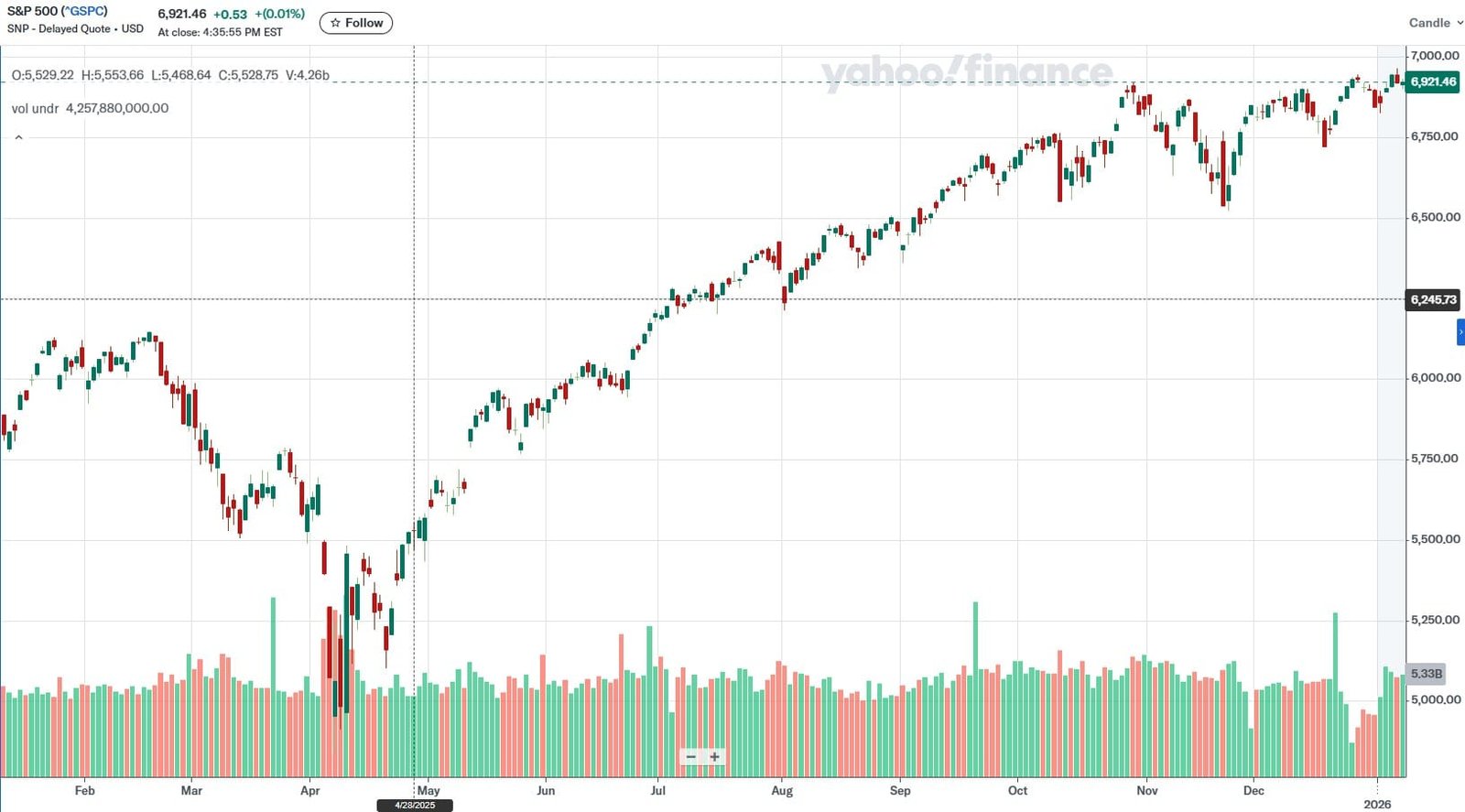
If you thought 2025 was a wild ride for the S&P 500—fueled by relentless AI narratives and index-high euphoria—you haven’t seen anything yet. While most investors are still obsessing over NVIDIA’s next quarterly beat or the latest Large Language Model (LLM) release, a far more consequential shift is occurring in the “meatspace” of the global economy.
The era of cheap, abundant physical resources is ending. According to a landmark 2026 outlook by UBS, we are moving from an era of “demand-led growth” to one defined by “supply-constrained reality.” This isn’t just another commodity cycle; it’s a structural repricing of the physical world.
For the last decade, Wall Street treated technology and resources as polar opposites: “Asset-light” software versus “Asset-heavy” mining. That dichotomy is now dead.
AI is not a virtual industry; it is a high-voltage industrial process. Every data center expansion, every grid modernization effort to support 24/7 uptime, and every “sovereign AI” initiative requires massive physical inputs. As UBS analysts recently noted, when supply models for base metals are “pierced” by reality, the old investment coordinates fail.
The most critical battleground in this metal storm is copper. While the tech sector discusses FLOPS and H100s, the mining sector is looking at a structural deficit that could reach 407,000 tonnes by late 2026.
The catalyst? A “perfect storm” of operational failures and geological reality. The September 2025 mudrush incident at Freeport-McMoRan’s Grasberg mine in Indonesia wasn’t just a headline—it was a systemic shock that erased nearly 300,000 tonnes of expected refined supply.
Investors often assume higher prices solve supply issues. In mining, they don’t—at least not in the short term. The “Lead Time Trap” is now 8 to 12 years from exploration to production.
| Metal | 2026 Outlook | Key Driver | UBS Price Target (Dec 2026) |
| Copper | Severe Deficit | AI Data Centers + Grid Upgrades | $13,000/mt |
| Aluminum | Structural Tightening | Chinese Capacity Caps + EV Wiring | $3,200/mt |
| Lithium | Selective Recovery | Cost-curve shakeout; high-quality assets win | $15,000/mt (LCE) |
| Iron Ore | Bearish | Chinese Property Structural Decline | $85/mt |
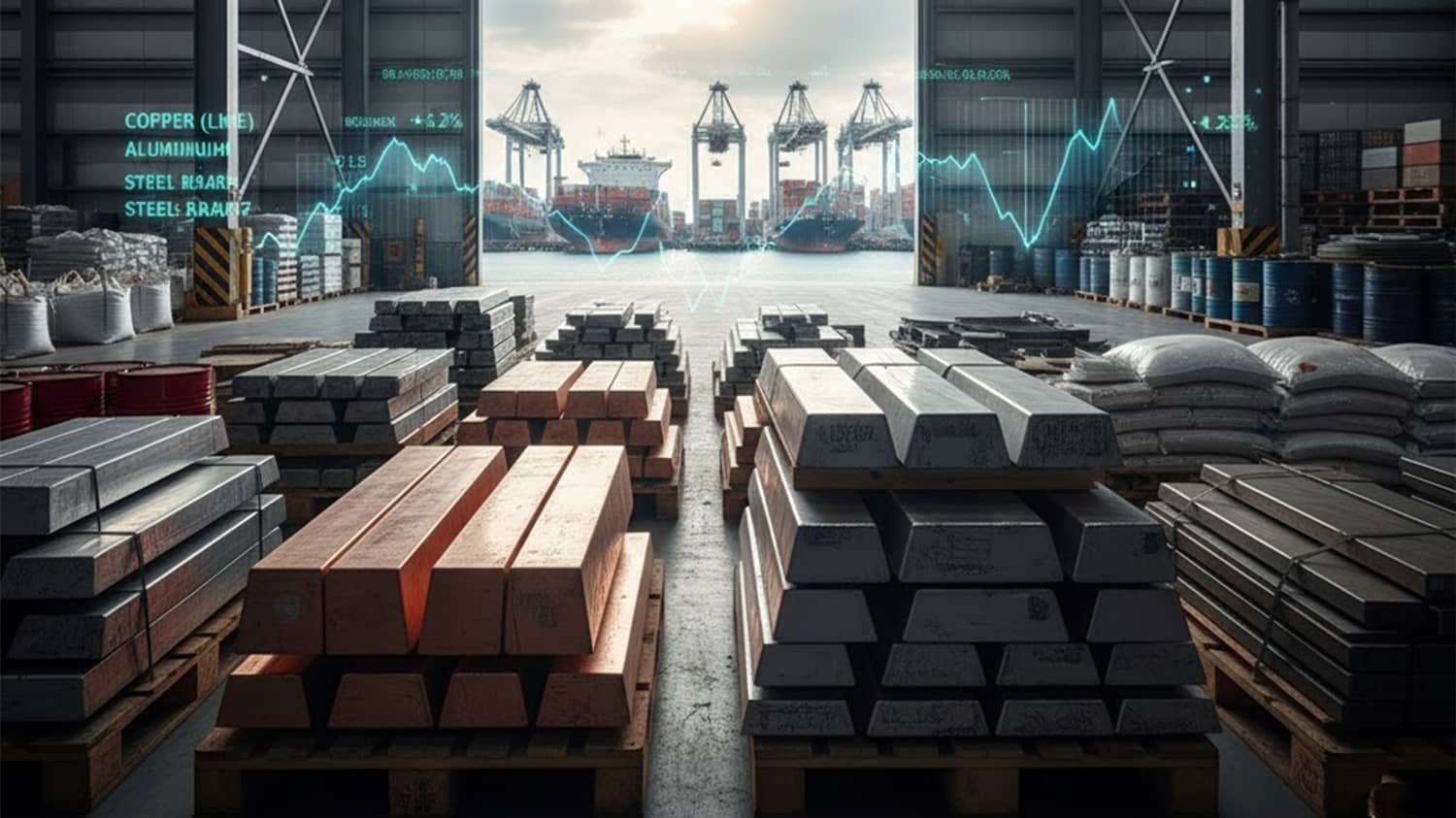
The “Metal Storm” is not a tide that lifts all boats. It is a violent redistribution of value based on strategic utility.
Aluminum has long been the “boring” cousin of the base metals. No longer. With China’s smelting capacity hitting a hard policy ceiling and European smelters shuttered by energy costs, the supply side is effectively locked. Meanwhile, demand for aluminum in renewable energy storage and EV lightweighting is exceeding all 2024 projections. UBS has pivoted from “cautious” to “structurally bullish,” eyeing a major price floor shift.
The “Lithium Winter” of 2024-2025 cleared the speculators. In 2026, the market is focusing on the cost curve. While low-grade lepidolite projects are being mothballed, world-class brine operations and hard-rock assets are being recognized as “strategic utilities.” The narrative has shifted from “Will we have enough lithium?” to “Who has the lowest cost per ton?”
If you are holding diversified miners purely for iron ore exposure, the 2026 outlook is grim. The “Old World” industrialization of China is over. Similarly, Nickel—once the darling of the “NCM battery” hype—is struggling with a permanent supply glut from Indonesia’s HPAL (High-Pressure Acid Leach) projects. These are no longer growth assets; they are pure value traps.
For the US stock market investor, the play isn’t just about buying “the index.” It’s about owning the producers who control the “Incentive Price” of these metals.
The 2026 market will be defined by a realization that you cannot download a copper wire. Software may be eating the world, but it needs a physical stomach to digest it. As we approach 2027, the scarcity of base metals will likely act as a “soft ceiling” on AI capital expenditures. The smart money isn’t waiting for the ceiling to hit; it’s buying the foundation.