Newsletter Subscribe
Enter your email address below and subscribe to our newsletter
Enter your email address below and subscribe to our newsletter

All voices matter
In the world of prediction markets, where traders bet on everything from election outcomes to geopolitical events, few wagers have sparked as much debate as the one on Jesus Christ’s return to Earth. Last year’s market on Polymarket drew millions in bets, offering returns that outpaced U.S. Treasuries for those skeptical enough to wager against it. Now, with a fresh contract open for 2026, the discussion has reignited questions about faith, finance, and the ethics of turning religious prophecies into speculative plays. If you’re curious about how these markets work, why they’re controversial, and whether they’re worth your time, this deep dive pulls together the facts, expert views, and practical advice to help you decide.
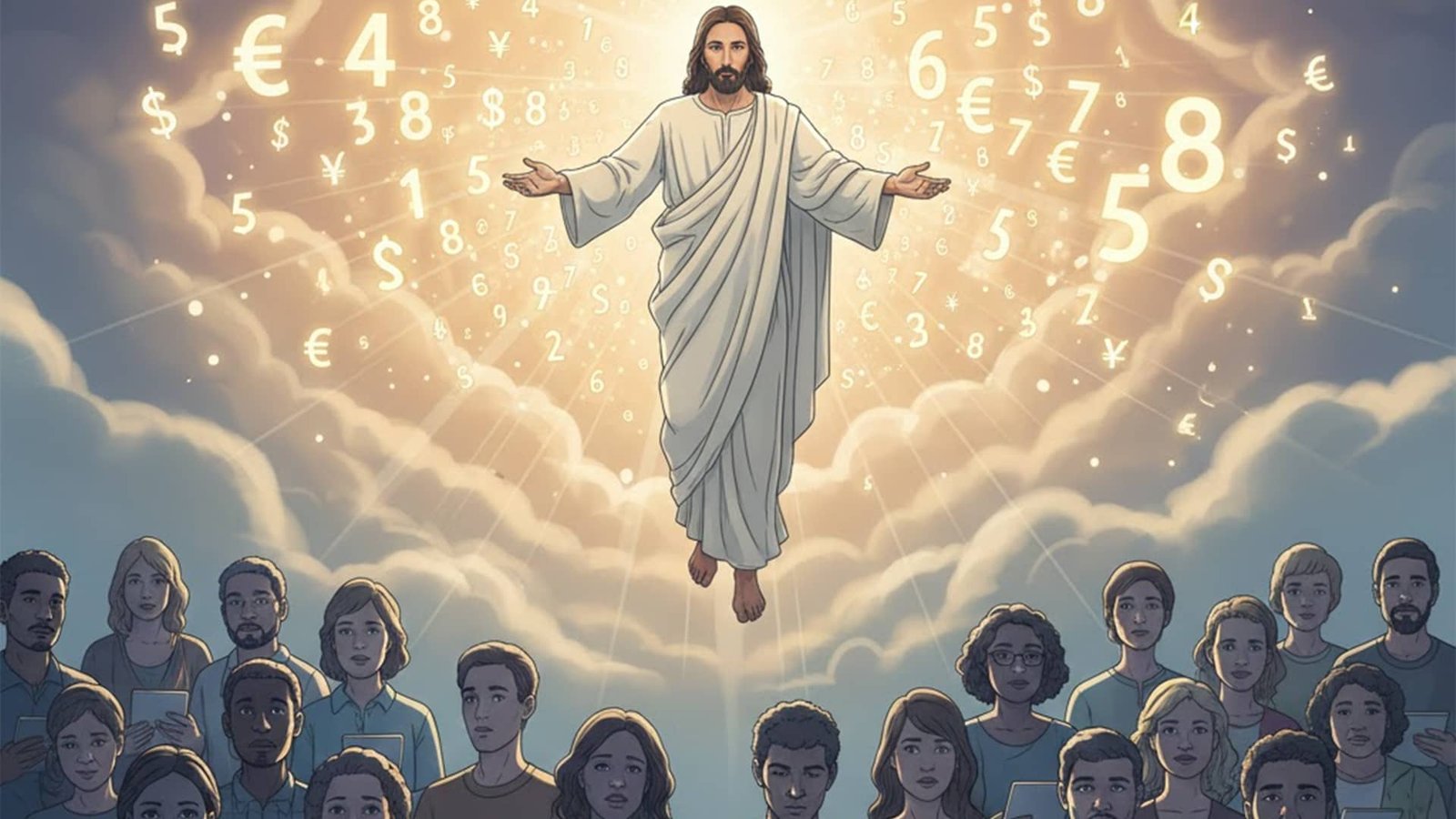
The story started in March 2025 when Polymarket launched a contract asking, “Will Jesus Christ Return in 2025?” The rules were straightforward: It would resolve to “Yes” if the Second Coming occurred by December 31, 2025, based on a consensus of credible sources; otherwise, “No.” What began as a quirky bet quickly ballooned into a serious financial phenomenon, attracting roughly $3.3 million in trading volume.
Interest peaked in the spring, with the implied probability of a “Yes” outcome hovering around 3-4% for weeks. Most bettors piled into “No,” but a dedicated minority—perhaps driven by faith or sheer optimism—kept the odds from dropping to zero. By year’s end, as midnight struck without any divine intervention, Polymarket resolved the market to “No” on January 1, 2026, handing wins to the skeptics. This wasn’t just entertainment; it highlighted how prediction markets can aggregate crowd wisdom on even the most improbable events.
To put the scale in perspective, here’s a quick stats breakdown:
| Metric | Details |
|---|---|
| Total Volume | ~$3.3 million |
| Peak “Yes” Probability | 4% (spring 2025) |
| Average “Yes” Probability | Above 3% for much of the year |
| Resolution Date | January 1, 2026 |
| Winning Outcome | “No” |
This data underscores the market’s appeal: Low-probability bets can create outsized opportunities for contrarians.
One of the most intriguing aspects was the returns. For those who bet “No” in April 2025, when hype was at its highest, the annualized yield hit about 5.5% before fees. That’s notable because it surpassed the yield on U.S. Treasury bills, often seen as the gold standard for risk-free investments. At the time, 10-year Treasuries were yielding around 4%, making this religious wager ironically safer—and more profitable—than government debt for short-term holders.
Why the premium? Prediction markets like Polymarket function like binary options: Shares trade between $0 and $1, with the price reflecting the crowd’s estimated probability. A 3% “Yes” probability meant “No” shares could be bought cheaply and held until resolution, locking in gains as the event failed to materialize. It’s a classic case of betting against black swans—rare events that, if they don’t happen, pay steadily.
Compare that to traditional safe havens:
| Investment | Approx. 2025 Annual Yield |
|---|---|
| U.S. 10-Year Treasury | ~4% |
| Polymarket “No” Bet (Peak) | 5.5% (pre-fees) |
| High-Yield Savings Account | 4-5% |
| S&P 500 Average Return | ~10% (with volatility) |
The edge came from the market’s inefficiency: Believers inflated “Yes” prices just enough to create value for doubters. But remember, fees and liquidity risks eat into profits, so net returns might not always shine as brightly.
Undeterred by the 2025 miss, Polymarket rolled out a new contract in November: “Will Jesus Christ Return Before 2027?” (covering through December 31, 2026). As of early January 2026, volume has climbed to over $150,000, with the “Yes” probability sitting at a modest 2%. That low odds translate to massive potential upside—if you’re bold enough to bet “Yes.” A winning share could yield over 5,700% returns, turning a $100 bet into $5,800.
It’s a lottery-like setup, appealing to those chasing moonshots. But the flip side? “No” bettors might see slimmer yields than last year, as the market matures and probabilities stabilize. Early data shows steady trading, but without last spring’s spike, returns could hover around 2-3% annualized—still competitive, but not Treasury-beating.
Not everyone’s thrilled. Critics argue these bets mock religion, turning sacred beliefs into commodities. Some see it as a distraction from Polymarket’s core value: Forecasting real-world events like elections or wars. Helen Ross, an associate professor at Georgetown University Law Center, has voiced concerns that frivolous markets dilute the platform’s credibility, pulling focus from data-driven predictions.
Broader issues plague prediction markets too. Recent scandals, like suspicious bets on Venezuelan President Maduro’s capture, have raised insider trading flags. While Polymarket isn’t regulated like stock exchanges, these incidents highlight risks: Unequal information access can skew outcomes, eroding trust. Religious bets amplify this, blending faith with finance in ways that feel exploitative to many.

This isn’t new territory. Back in the 17th century, mathematician Blaise Pascal proposed his famous “wager”: Believe in God, and if He exists, you gain eternal reward; if not, you’ve lost little. It’s a probabilistic argument for faith. Today’s Polymarket bets flip that script—using money to hedge against divine events.
Critics of Pascal called it too utilitarian, much like modern detractors label these markets as “foolish” or resource-wasting. Yet, as Indiana University’s Kelley School of Business associate professor notes, people buy lottery tickets despite astronomical odds—it’s human nature to speculate on uncertainties. These bets are a modern echo, where “Yes” wagers embody hope, and “No” ones pragmatic skepticism.
Prediction markets shine in aggregating insights, often outperforming polls on elections. But religious ones? They test boundaries. Bloomberg reports that while they boost visibility, they spark academic debates on whether entertainment value undermines utility.
From my years covering fintech, I’ve seen platforms like Polymarket evolve from niche to mainstream. Experts like those at Card Player note the irony: Betting against Christ paid off amid warnings from figures like Pope Leo XIV on gambling addiction. The takeaway? These markets can educate on probability, but they demand caution—especially when faith is involved.
Pros: Low entry barriers (crypto-based), educational on risk, and potential for steady “No” yields in improbable events.
Cons: Ethical qualms, platform fees (up to 2%), liquidity issues, and the risk of emotional betting. Plus, if you’re religious, it might feel like tempting fate.
If this intrigues you but feels too gimmicky, consider alternatives:
Ultimately, treat it as entertainment with a financial twist—bet small, if at all, and never more than you can afford to lose.
The Jesus return bets on Polymarket aren’t just oddities; they’re a mirror to how we blend belief with bucks in an uncertain world. As 2026 unfolds, watch if volumes grow or controversies mount. For investors, it’s a reminder: High yields often hide high risks, whether divine or market-driven. If nothing else, it prompts reflection—on probabilities, prophecies, and where we place our trust. Stay informed, bet wisely, and who knows? Maybe next year’s resolution will surprise us all.